We have arrived in Huaraz, an Andean adventure hotspot—and the city has earned that title. It lies in a mountainous region between the Cordillera Blanca, Cordillera Negra, and Cordillera Huayhuash ranges. Twenty-two peaks rise above 6,000 metres, making the Cordillera Blanca the world’s second-highest mountain range after the Himalayas. It is also home to 6,768-metre Huascarán, Peru’s highest mountain and the fourth-highest peak in South America.
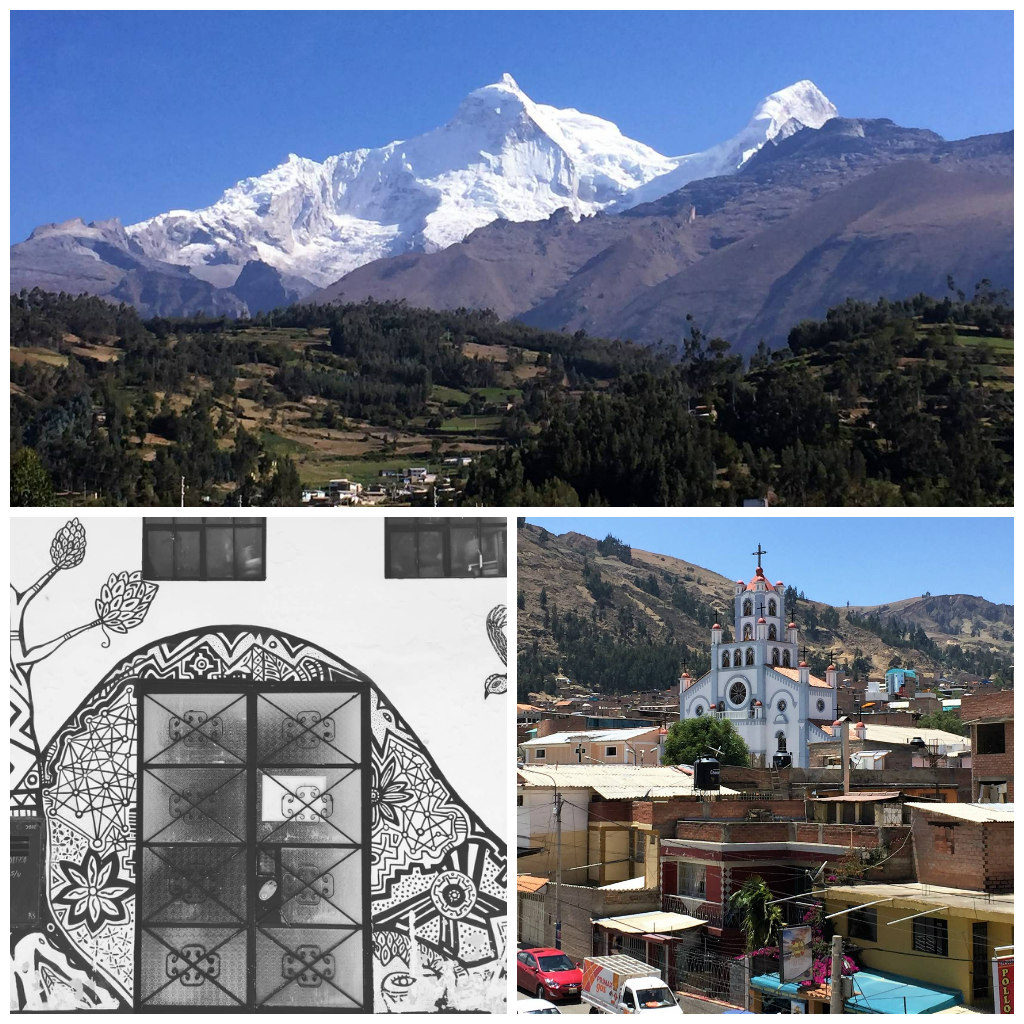
At first glance, Huaraz looks quite new. In Peru, that generally means simple buildings that are not especially attractive and, to European eyes, inspire little confidence in their safety or durability. In 1970, it turns out, an earthquake levelled almost the entire city, which was subsequently rebuilt. Huaraz is not much of a destination in itself, but it is the place to which hikers, rock climbers, and mountain bikers come from around the world. Its status as a high-adrenaline town is particularly evident in the evenings, when people return from the mountains in hiking boots and head out for dinner. The famous four-day Santa Cruz trek begins here, as do tours to the ruins of the Chavín culture and various turquoise mountain lakes. Our own goal is the hike to Laguna 69.
Early in the morning, a bus filled with fellow hikers picks us up at the hotel. We find the last available seats and doze until the trailhead. We wake after sunrise to what looks like a perfect, cloudless day. We are on a gravel road, and just as the bus attempts a sharp turn, something goes wrong. The driver tries the manoeuvre again, but it is no use. We are asked to get off and told that the bus has broken down. Another bus will come from Huaraz to collect us and take us onward. Clearly, it will need at least as long to reach us as we have already spent travelling—nearly two hours. We all agree to begin walking towards the breakfast stop.
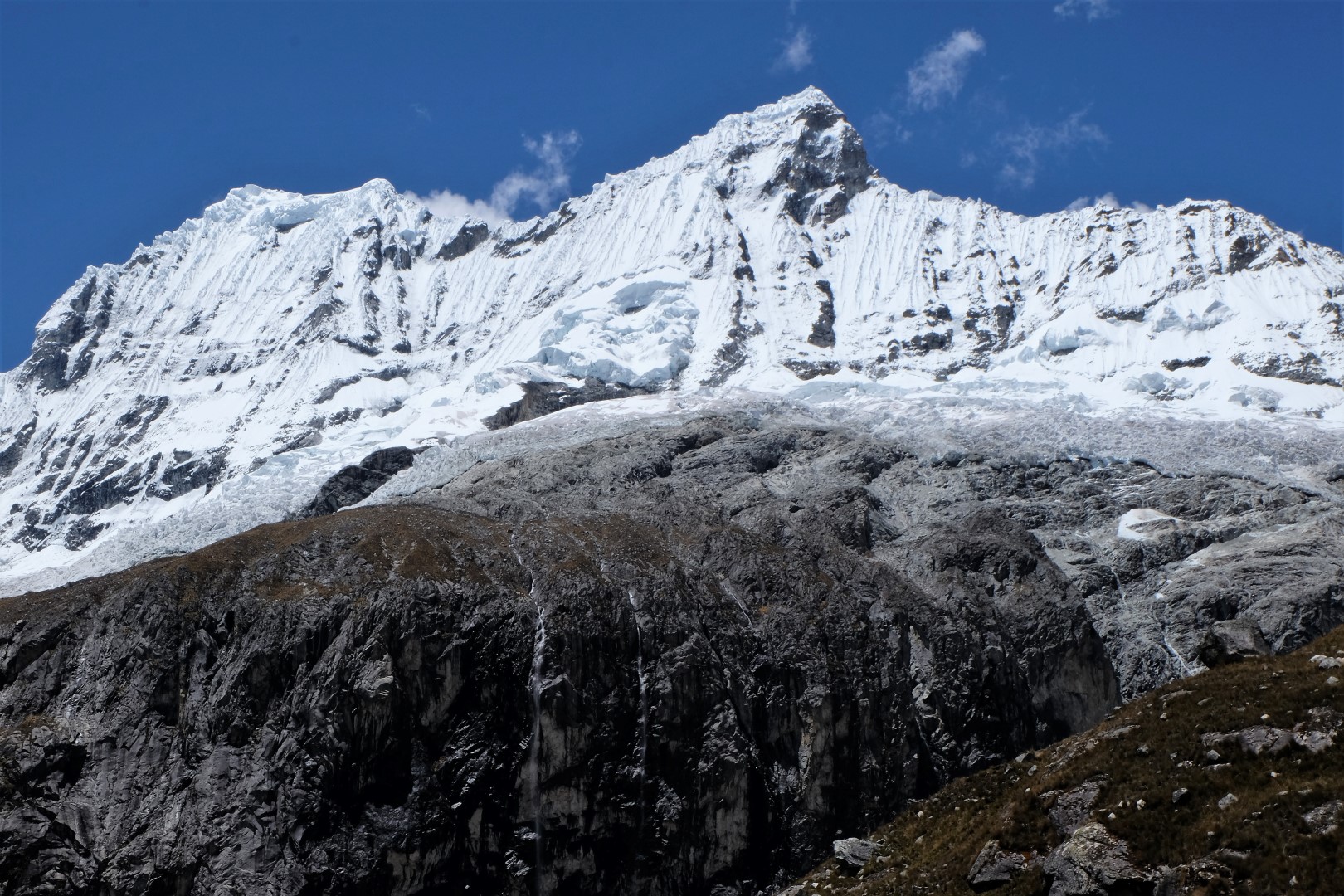
Despite the bus trouble, everyone is cheerful. In a place this beautiful, with views of snowy peaks including Huascarán, it would be difficult to feel otherwise. The walk to breakfast is neither as short nor as easy as expected, and by the time we arrive everyone’s back is damp. We eat, then, because the replacement bus has not yet arrived, pass the time talking with hikers from Italy, Sweden, and South Korea.
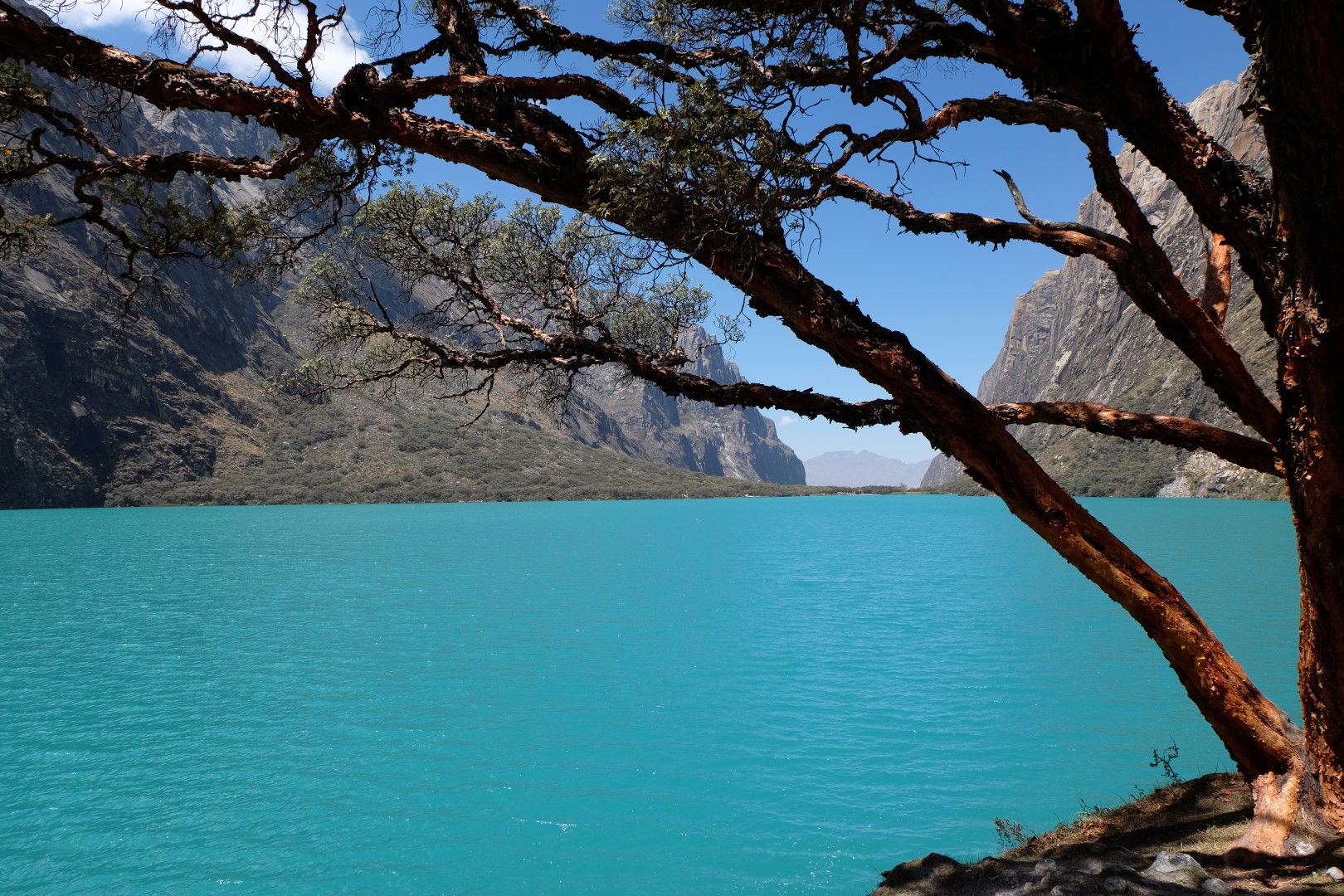
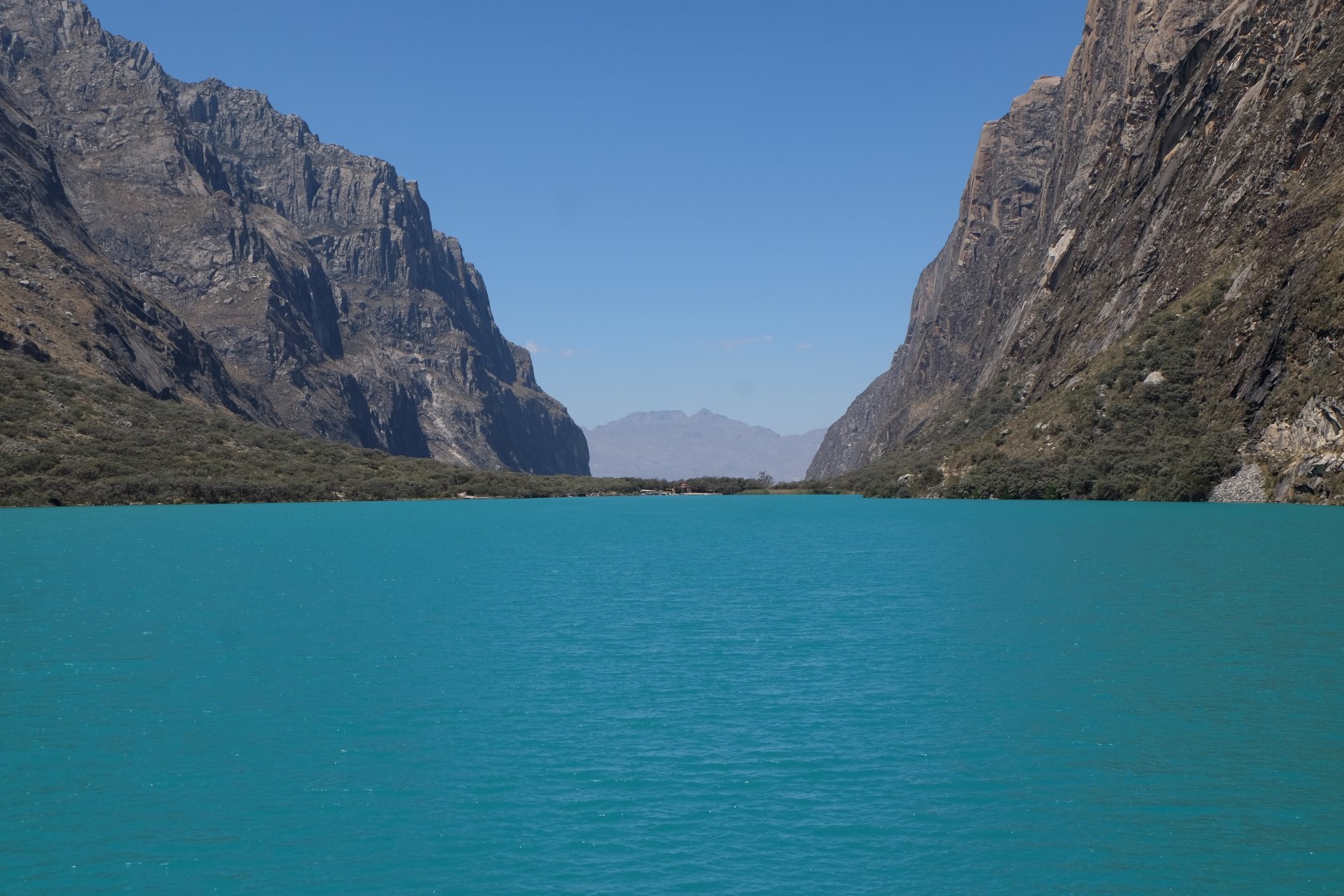
When the bus finally arrives, it takes us on to the starting point. We have entered Huascarán National Park and travel along a winding road surrounded by immense, breathtaking cliffs. The moment Laguna Chinancocha appears through the windows, the bus fills with cries of “wow”. We jump out to take photographs. I expected a beautiful lake with brightly coloured water, but reality exceeds those expectations: the colour is far more intense. Polylepis trees, endemic to the Andes, grow along the shore and add to the view. We continue past a second, equally impressive lake, Orconcocha. Together, the two are known as Llanganuco.
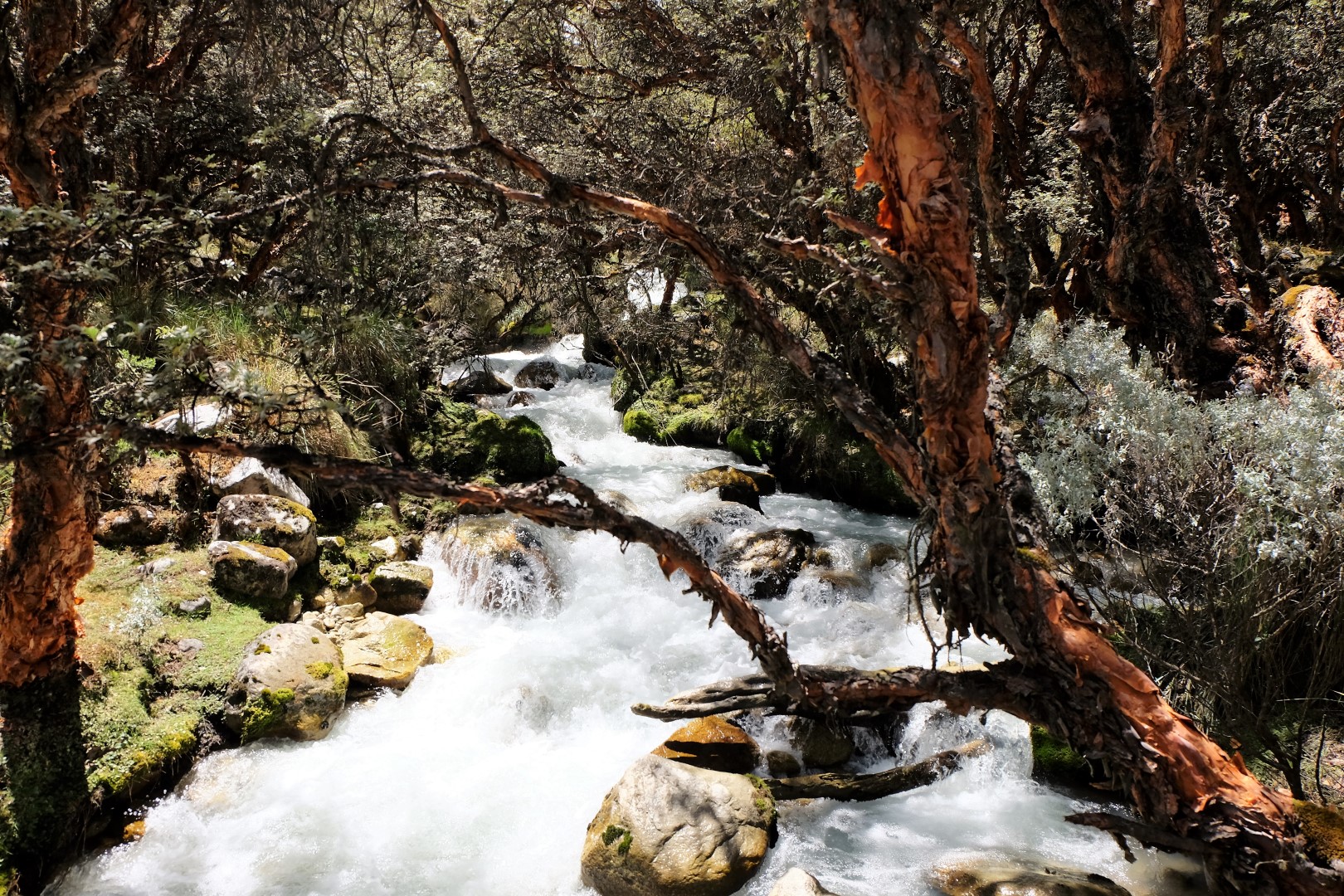
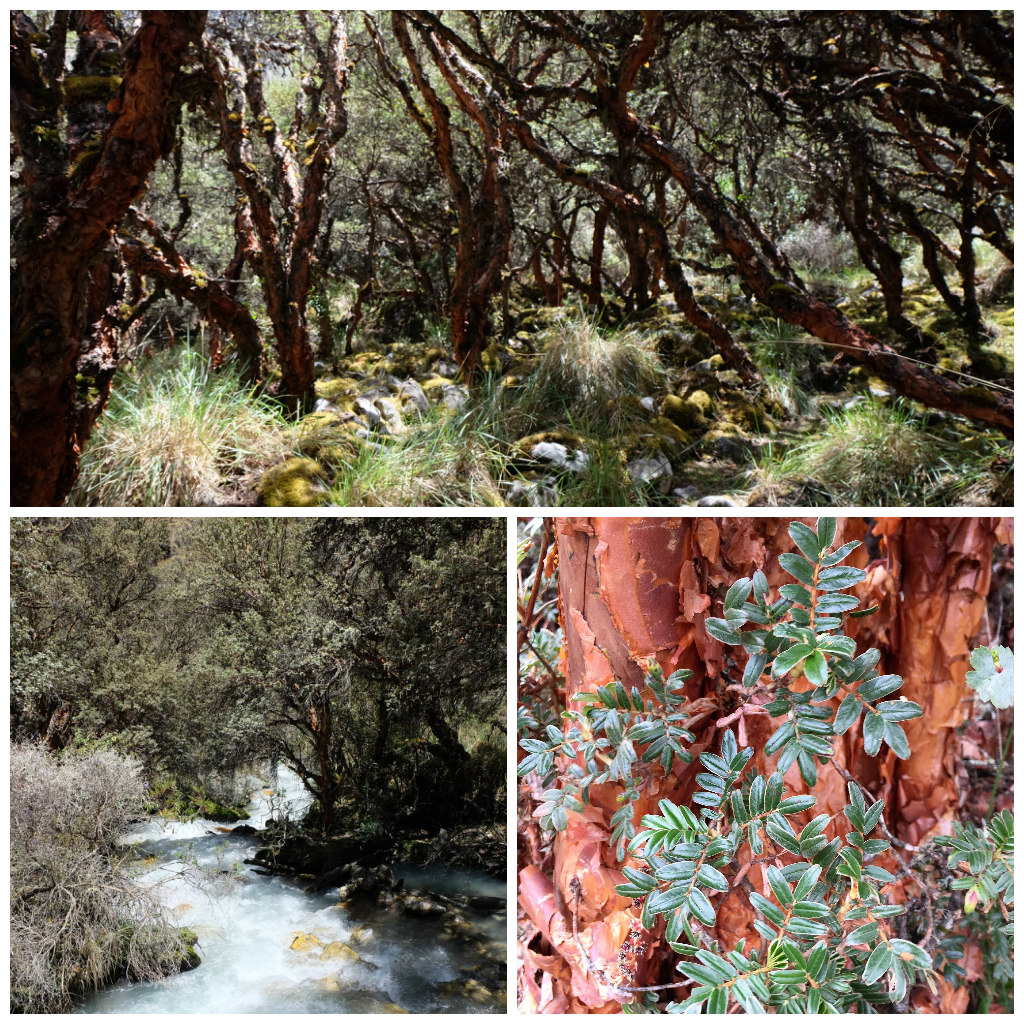
The hike to Laguna 69 begins in a Polylepis forest through which a fast mountain stream rushes. These trees are remarkable for their orange bark, which flakes and peels away in layer after layer. Fine evergreen leaves and beautifully coloured trunks make them particularly appealing.
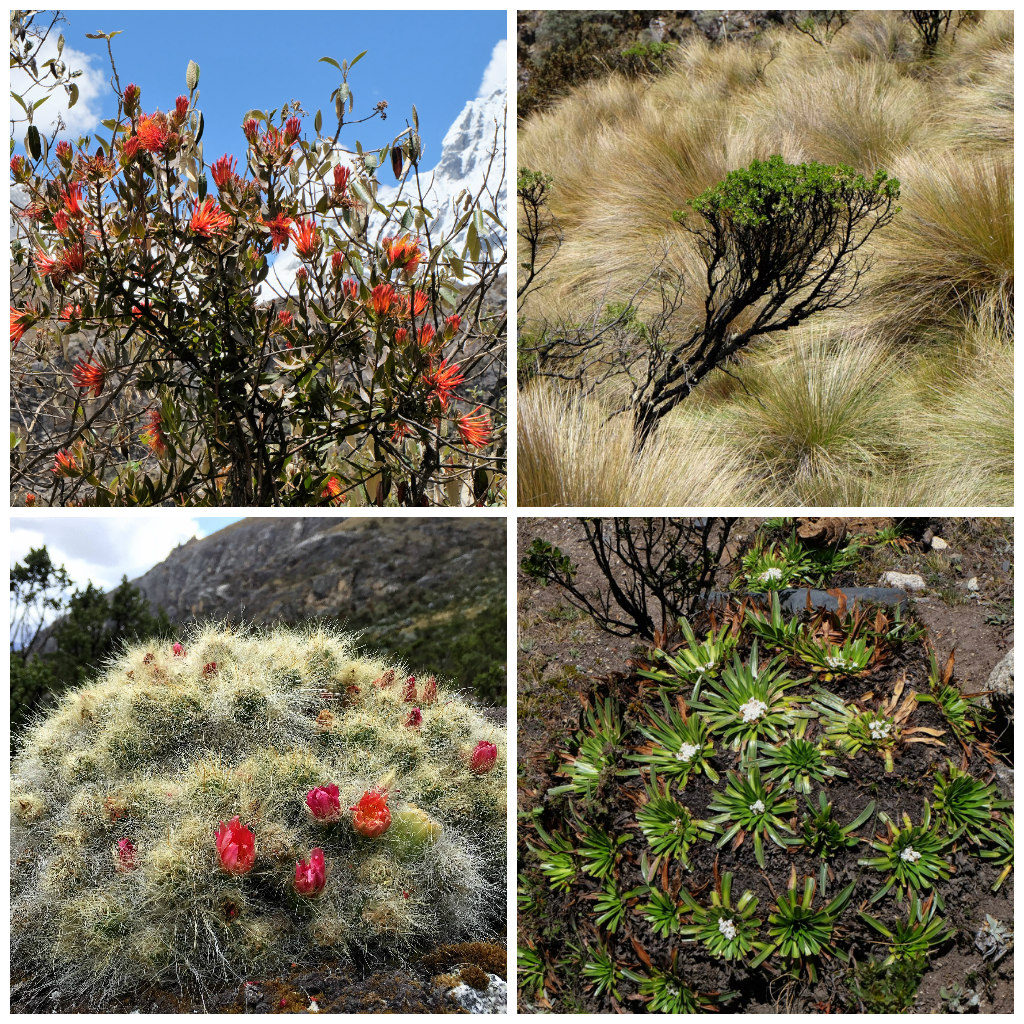
Beyond the forest and an open meadow, the trail begins to climb. Little by little, everyone settles into their own rhythm, because now the exercise has truly begun. Jānis, feeling athletic, races ahead. As usual, I walk alone: the slower members of the group are behind me and the faster ones are in front. Here in Peru, I have discovered my ideal pace, which I call the “wide-eyed wandering pace”. It is only a little slower than the fast walkers, but part of the time is devoted to looking around and investigating things. Today I listen to music as I walk, which seems to make my pauses even more frequent. From the very beginning, this trail offers plenty to examine. I stop and turn in a circle to take in the snowy peaks around me; photograph one waterfall; and, a few hundred metres later, discover an even larger one. I study flowers and plants I have never seen before.
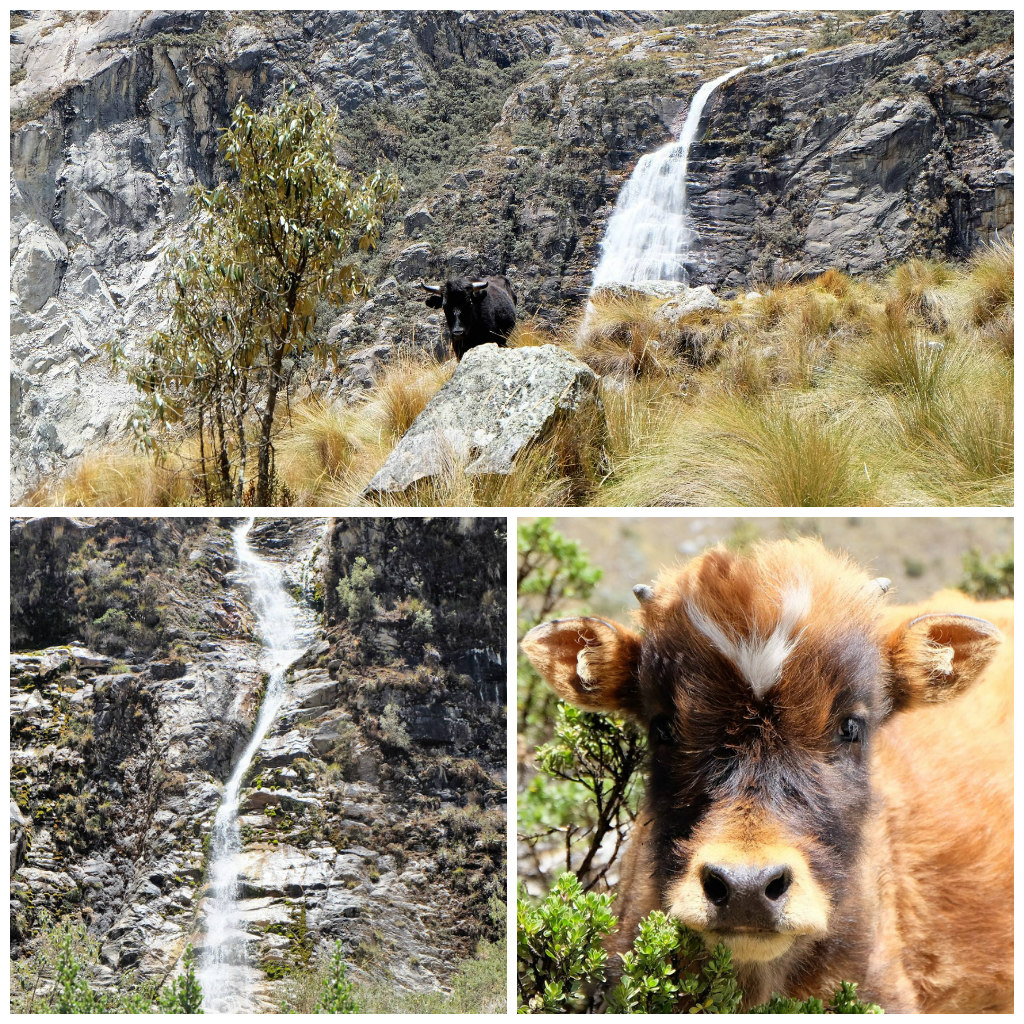
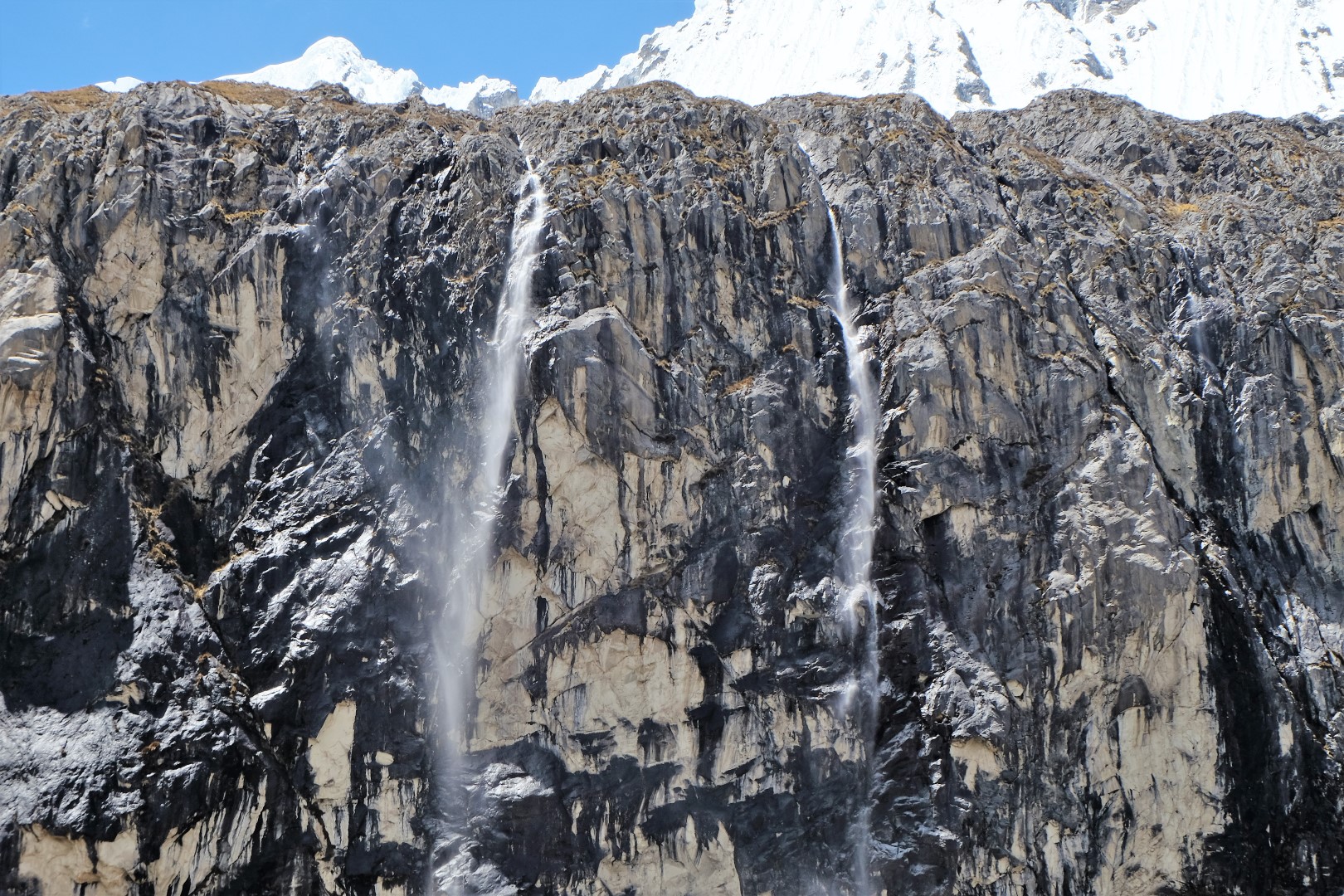
The path to Laguna 69 also passes several smaller lakes. One is dark because its water reflects a grey cliff. Farther on, a waterfall plunges from an enormous height into a turquoise lake; the wind blows its spray sideways, occasionally creating a rainbow.
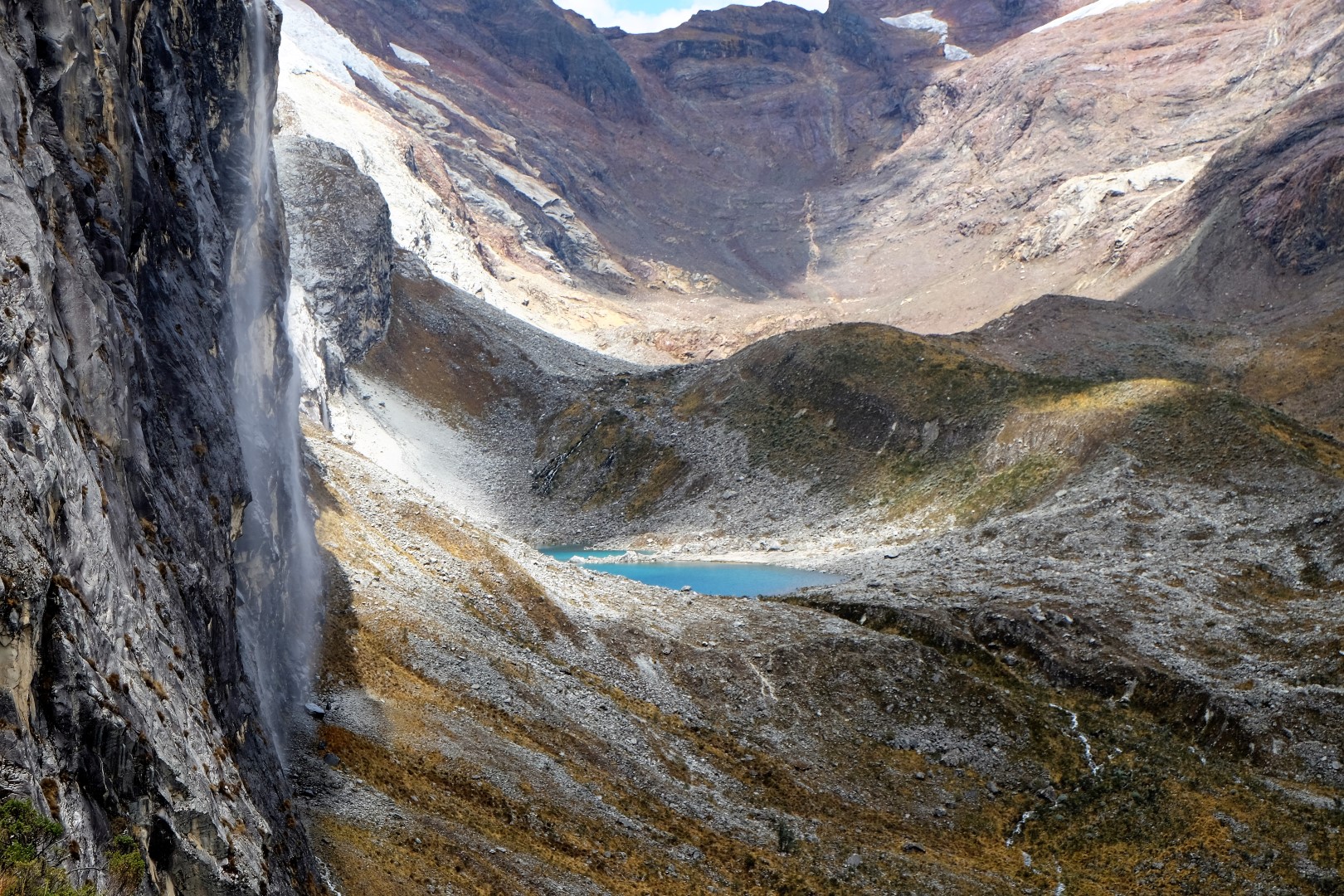
The final section demands considerably more fitness. Only the musical accompaniment and brief stops to look back across the valley towards the little lake and waterfall keep me moving. Despite the difficulty, this has already become one of the loveliest hikes I have ever done, and our destination—Laguna 69—still promises more.
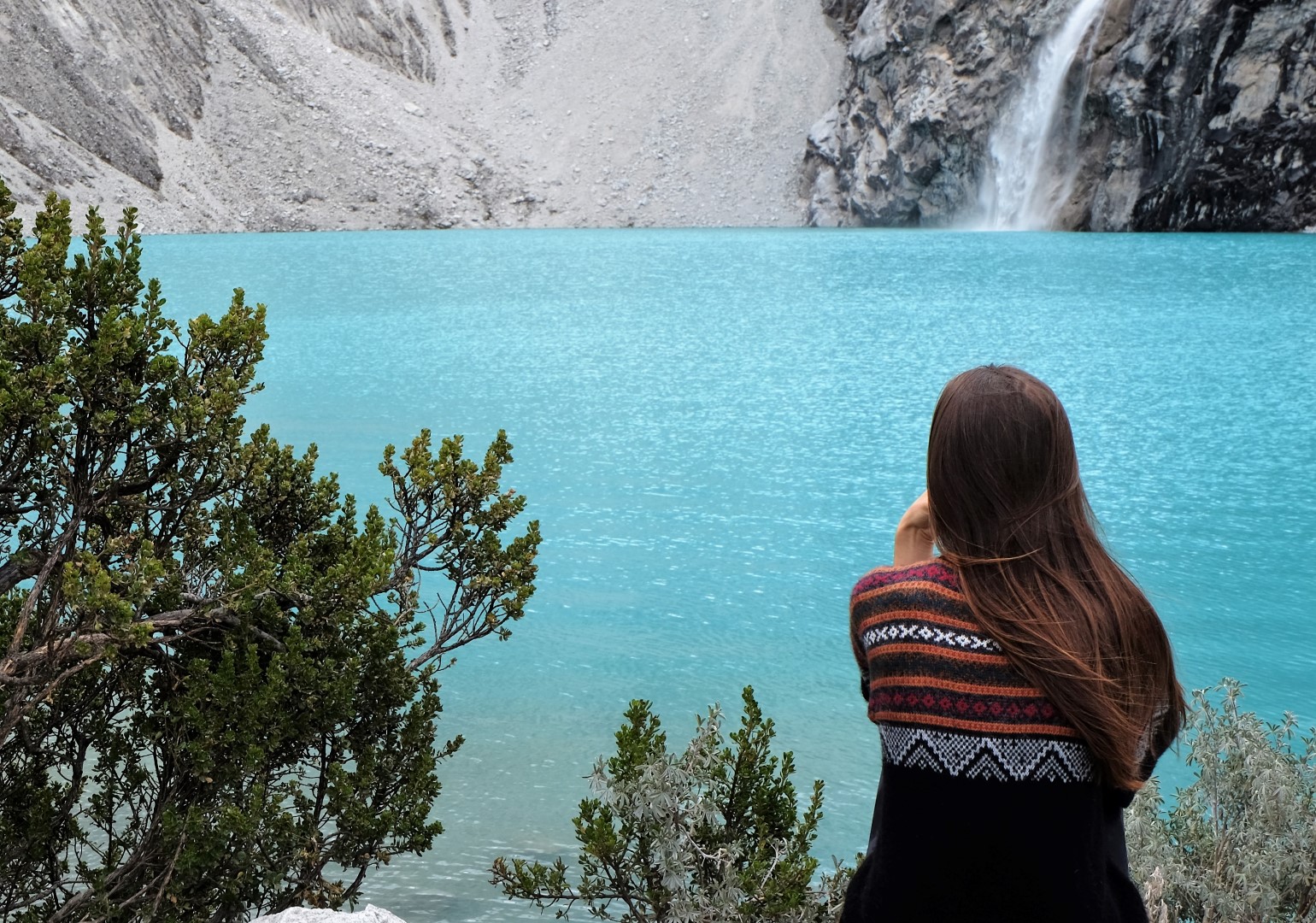
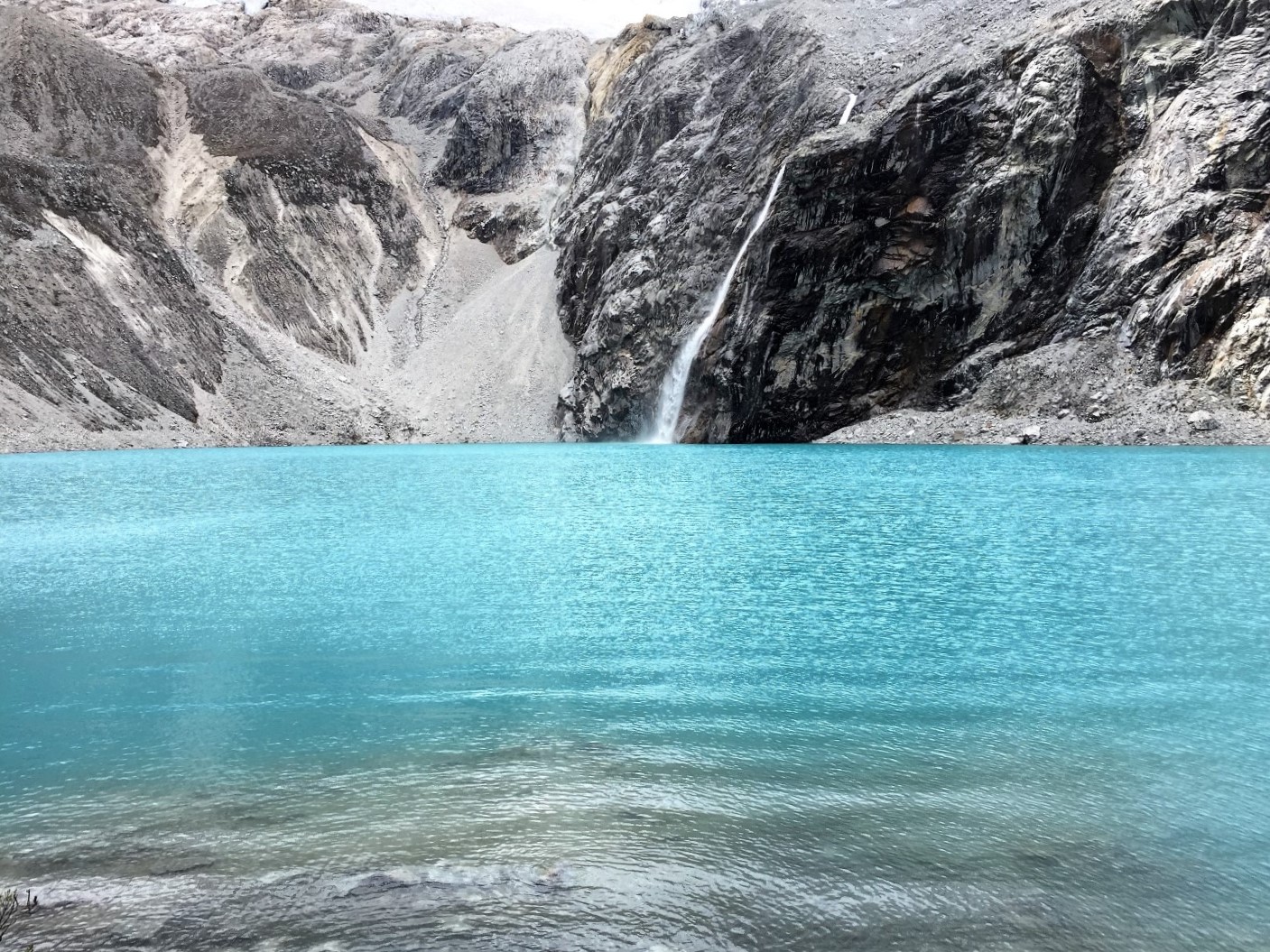
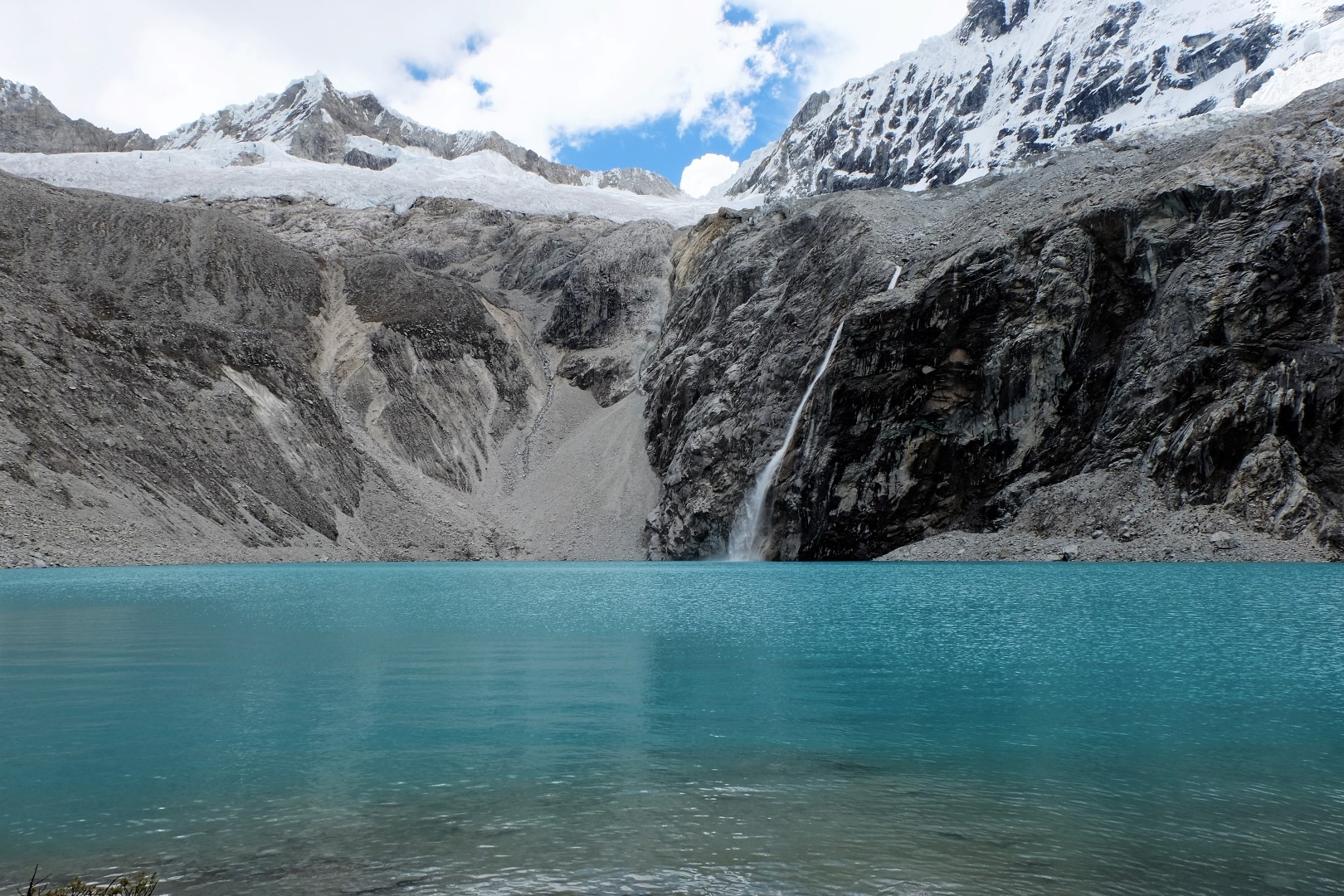
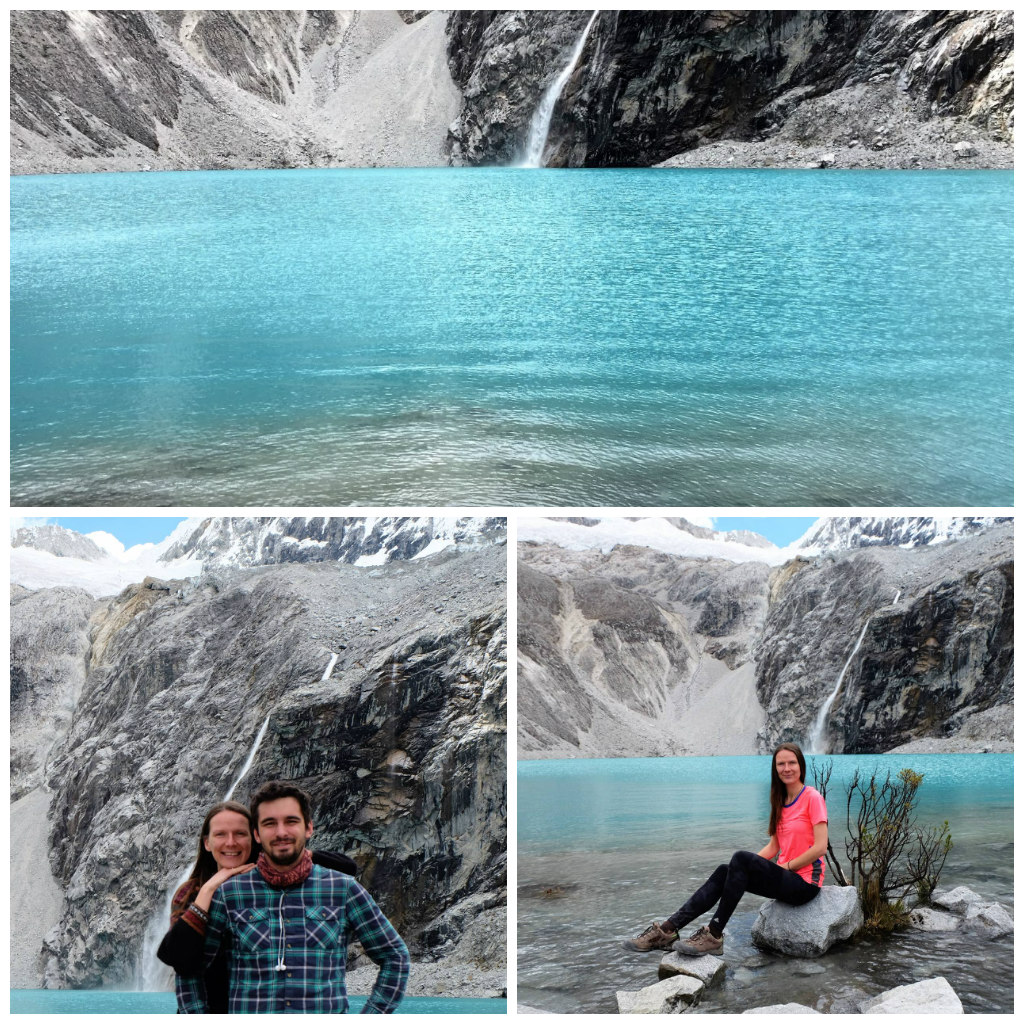
When smiling people begin coming towards me, I know it cannot be far. First, a glacier-topped peak appears; then comes the brilliant turquoise of Laguna 69 at 4,600 metres. Fantastic! Its colour comes from mineral-rich glacial water. Jānis is already waiting on the shore. We take a few photographs, and I begin to cool down after the exhausting ascent. The warm winter coat has to go back on. We sit on a rock beside the lake and savour this magical place.
The hike requires at least five hours: three hours up and two hours down. We cover 23 kilometres, including the unexpected stretch on foot after the bus broke down.