We are on a plane from Cusco to Lima. An hour and a half later, the mountains and canyons have vanished; through the window, we see an endless blanket of fog. No doubt about it—we are above Lima. Just as before, the city is wrapped in grey mist, although the air is considerably warmer on this return visit. This time, we have arrived in a different season: spring.
As on our previous visit, we climb into a taxi for the hour-long drive along the ocean to the same hotel in Surco. Back to Marco! Looking out of the window, we agree that we are in a cheerful mood and the surroundings seem pleasant. After several months in the Andes and the jungle, perhaps it simply feels good to return to the concrete jungle and know that it offers all sorts of possibilities.
Marco must have been watching from the window, because by the time we step out of the taxi he has already come downstairs to greet us. He is surprised to see us again; he says he does not usually meet his guests twice in one lifetime. Then he catches himself: “But you’re travelling for a year. I don’t have guests like you very often.”
This time, Lima is only a brief stopover as we finally begin moving north through Peru. Frequent flights to the capital greatly reduce the time needed to reach our next destination, Huaraz. The very thought of spending at least twenty-two hours on a bus from Cusco to Lima, for almost the same price as a ninety-minute flight, makes us feel ill. Flying to Lima seemed the obvious choice, especially as it also gave us a chance to see Devonna, whom we met on our Uyuni tour in Bolivia.
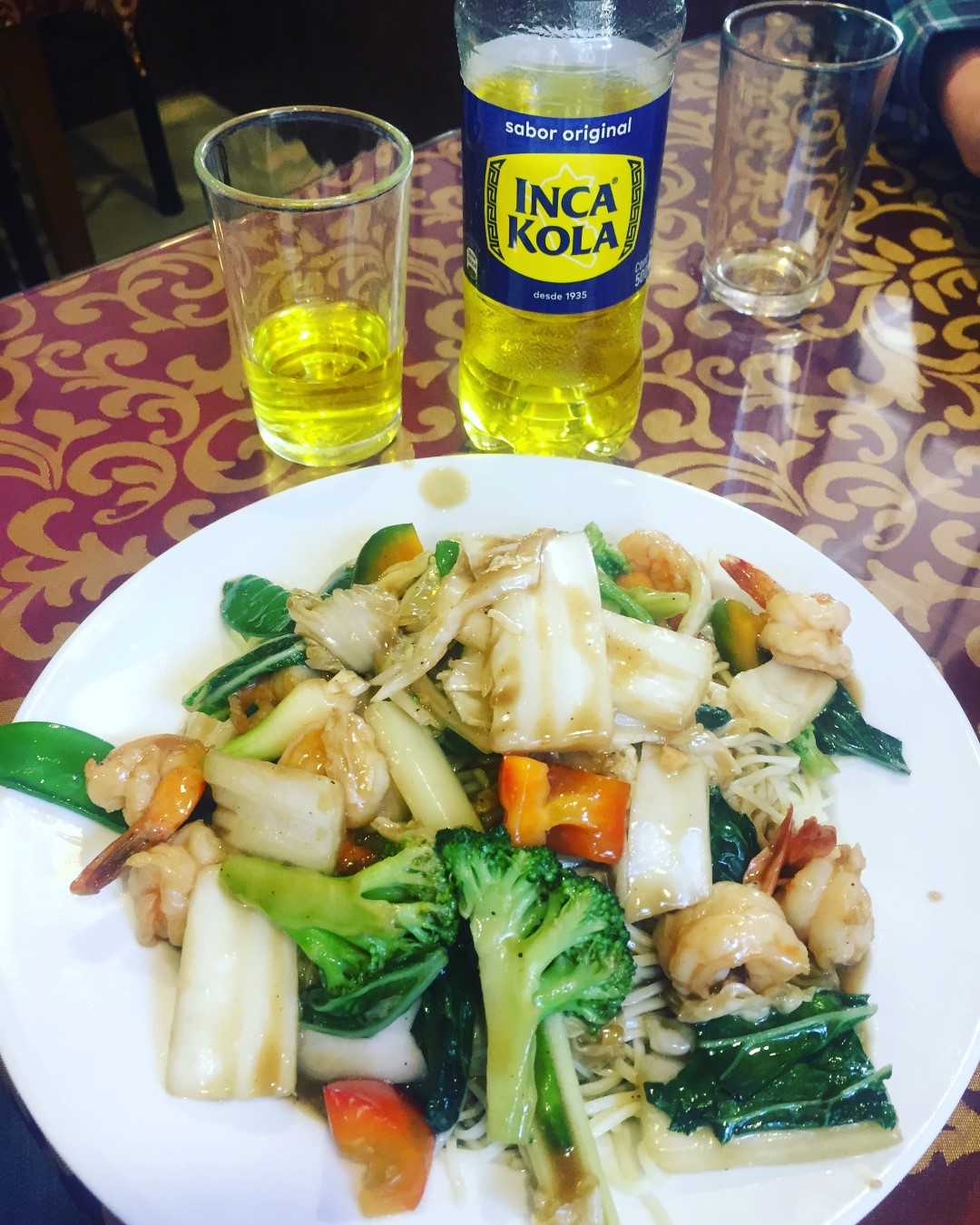
After leaving our bags in the room, we head to Marco’s favourite chifa. Surco is already quite familiar after our delayed luggage forced us to spend longer here last time. Along the way, we marvel at how attractive and well kept everything looks, with trees and shrubs in bloom. Even the bars across the fronts of every house no longer offend the eye, though they seemed so forbidding on our first visit. Chifas—Peruvian interpretations of Asian cuisine—appear on every corner, but Marco’s recommendation stands out for its quality and flavour. To celebrate being back in Lima, I order an Inca Kola with lunch, just as I did when I first tasted it. It is Peru’s most popular soft drink, and its flavour reminds me of Buratino lemonade.
Another advantage of the short flight is that we can meet Devonna that very evening. We have arranged to try the bar at a new brewery, so we set off early for artistic Barranco. We find the place; Devonna is running a little late, and we order a glass of the local brew. The bar is owned by English people and has an authentic pub atmosphere. Most of its customers speak English too, so it is easy to see why Devonna chose it.
Devonna arrives a little later, accompanied by her boyfriend, Bruno. We introduce ourselves and soon notice that we have divided into male and female groups. The men are already discussing their own subjects while, barely stopping for breath, we tell each other everywhere we have been since we last met in Bolivia.
Once the journey has been recounted more or less chronologically, the two groups reunite. The evening becomes decidedly lively. Music plays, and Jānis and Devonna know the words and sing along. Bruno is a tremendous joker with a wealth of stories. He is a marine biologist—which is interesting before he says anything more. This is an important time on Peru’s northern coast, he tells us: turtles have returned to nest after years of avoiding the area. He has also involved Devonna, who helps prepare educational material in English.
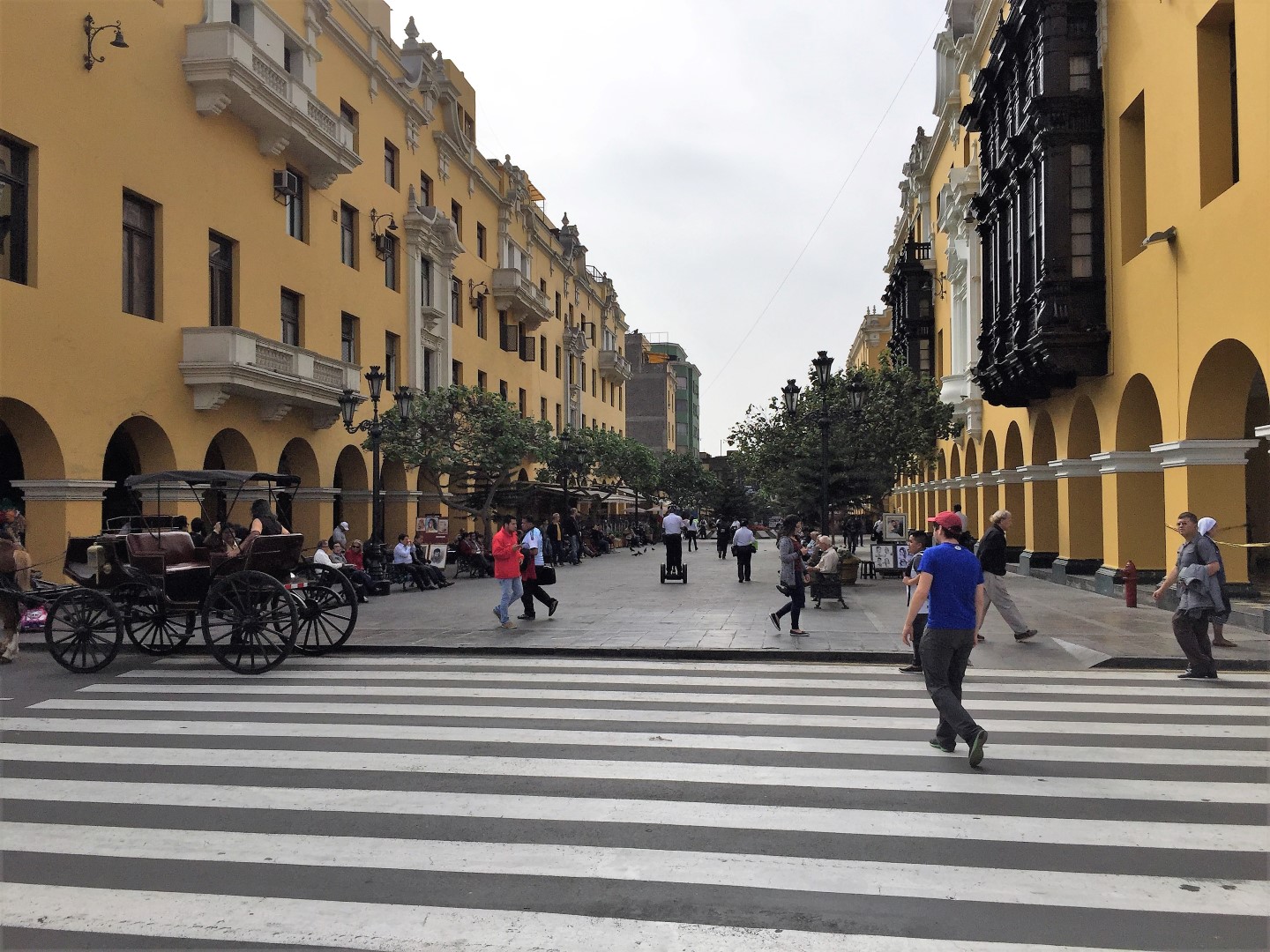
The next day, we visit Lima’s historic centre, known as El Centro. The taxi ride seems endless. This city is enormous: more than 7.6 million people call it home. By comparison, Latvia’s entire population is around two million—almost four times smaller. After Cairo, the Egyptian capital, Lima is the world’s second-driest capital city. Looking at its seemingly boundless extent on a map raises an obvious question: how does it supply so many households with water?
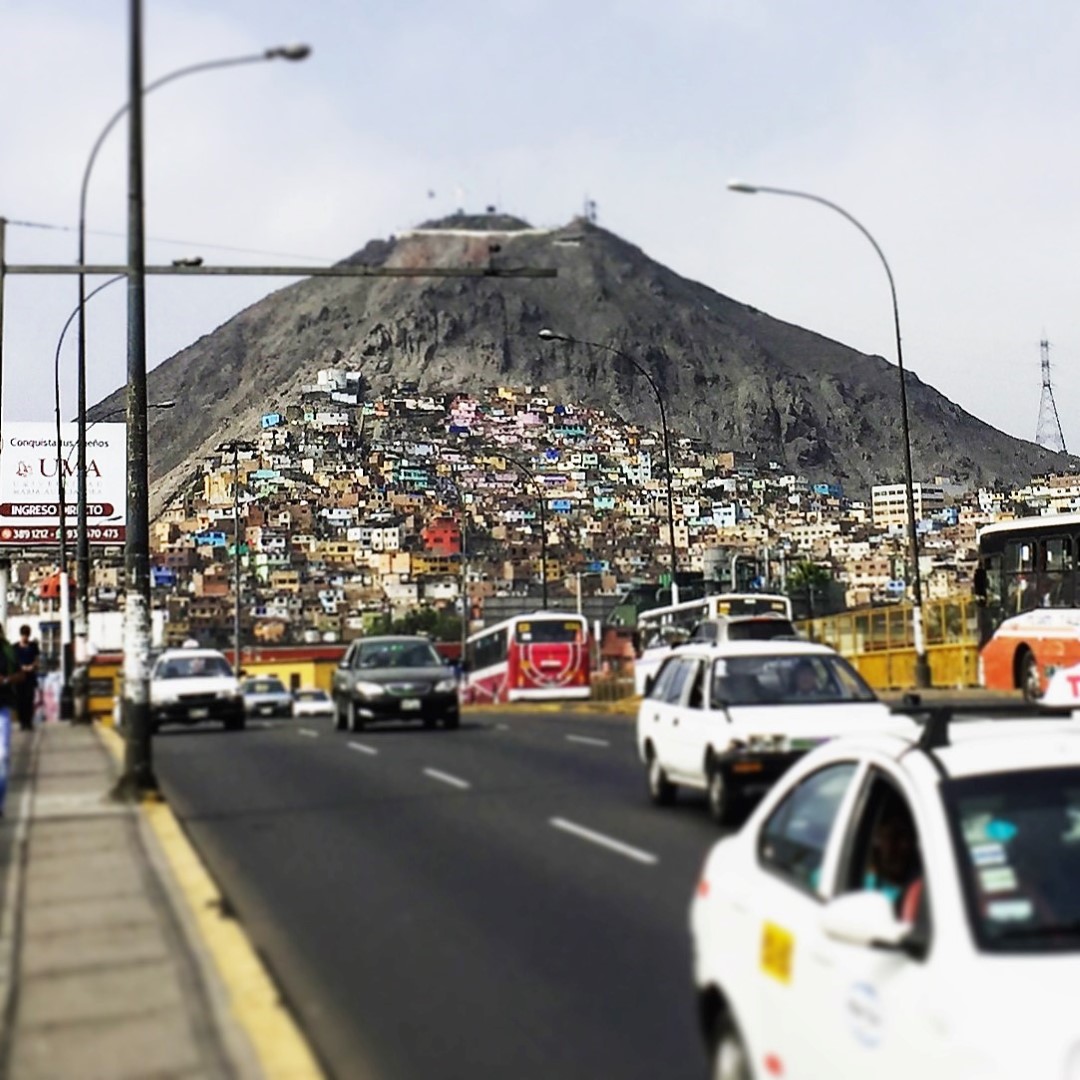
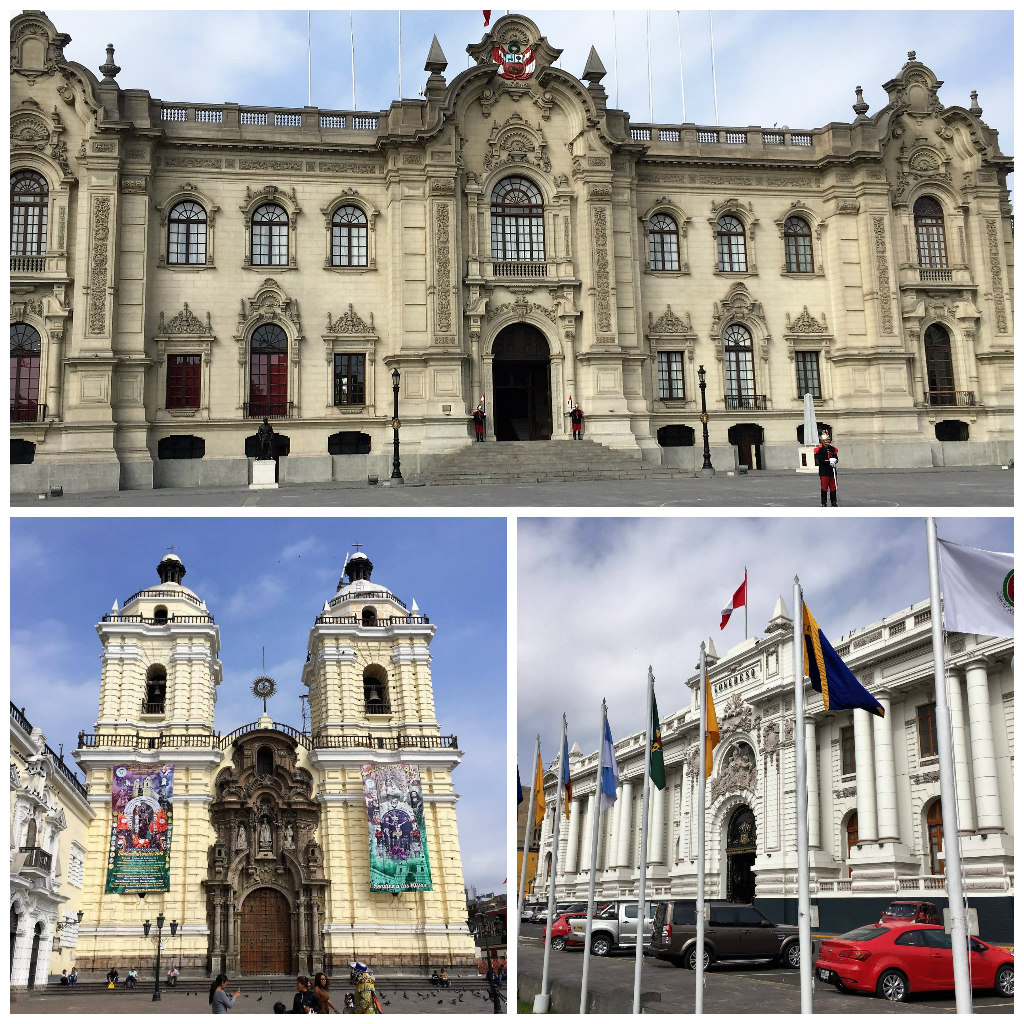
At sea level, most of Lima is flat. Its poorest neighbourhoods begin where the hills rise. While exploring the centre, we reach a bridge and see one such district on the far side, its hillside covered with colourful little houses. The historic centre stands in complete contrast: magnificent colonial buildings still rise proudly here. One of the loveliest, near the Plaza de Armas, houses Peru’s government; guards in ceremonial uniforms stand outside. Most of the buildings in the centre date from after 1746, when a devastating earthquake levelled the city. Lima has endured much more. During the war with Chile, it was occupied by Chilean forces for nearly three years from 1881. Its population began to explode in the 1920s alongside rapid industrialisation, as people from impoverished rural areas—particularly the Andean highlands—moved to the city in search of a better life. A second wave arrived in the 1980s, when armed conflict in the Andes drove people to safer ground. Shanty towns spread, crime increased, and the city entered a sharp decline.
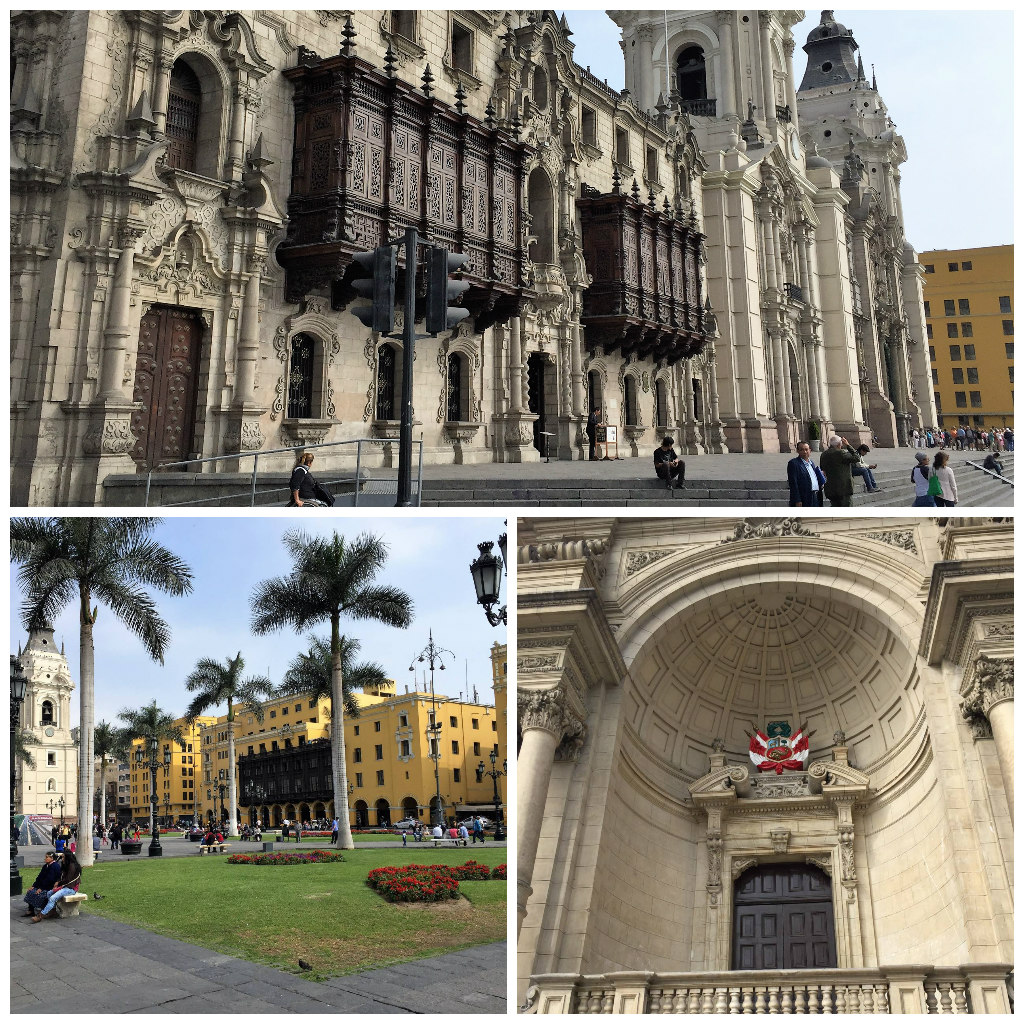
Today, Lima has moved beyond its reputation as a dangerous city. Of course, there are still districts best avoided for safety reasons. Miraflores and Barranco are both the safest parts of Lima and its principal tourist hotspots. Barranco is our favourite, and we return there in the evening before our overnight bus. Its artistic atmosphere quite literally bubbles through the air, enhanced by painted walls. We say goodbye to the city while watching a magnificent pink sunset over the Pacific.
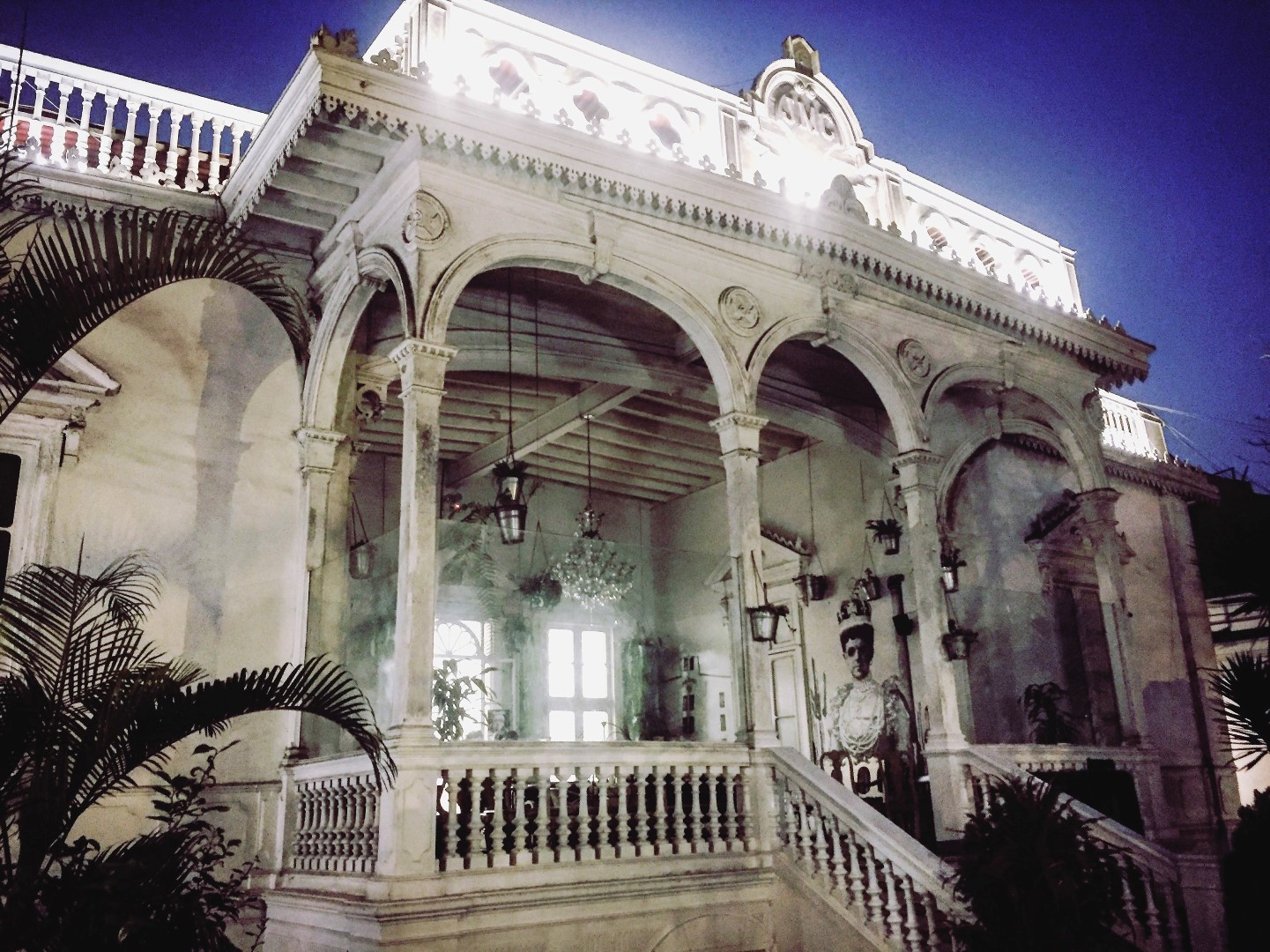
How interesting that travel changes the way you think. Six months ago, when we arrived from Europe, we followed the same route to the same hotel and our first impression was that the place seemed dubious. Perhaps we were exhausted after several flights, perhaps it was the early hour, or perhaps we were angry about our delayed luggage, but at first glance we did not like the city. Even so, beneath everything was an inner joy because we knew we had reached a continent filled with adventures and breathtaking views. Lima was only an arrival point on the vast map of South America—if it did not appeal, we could move on. This time, after becoming familiar with Latin American culture and language, we saw it with entirely different eyes. After places where rubbish lay piled beside roads and in rivers, Lima seemed clean and orderly. After months of feeling as conspicuous in a crowd as someone carrying a red balloon, here we could blend in without standing out so much. The ocean was inspiring too: throughout the summer—Peru’s winter—we had not been near a body of water in which we could swim. To our own surprise, we saw Lima in an entirely new light.
Travel is the best cure for stereotypes!