Caring for the animals is, of course, the central part of a volunteer’s daily life. Yet much of my entire volunteering experience at Parque Machía was shaped by the people who were there with me.
First of all, I am very grateful that I had the chance to work with Ronnie. She is so passionate about her work, and it is clear that birds are an immensely important part of her life. Thanks to her enthusiasm and her decision to stay here long-term, the bird section has undergone major improvements. A volunteer with no previous experience of working with animals never feels incompetent simply for being new. On my first day, I learnt the routine jobs and asked every question I had; after that, I was free to use my own judgement. Ronnie told me from the beginning that she did not want to point out everything that needed doing. If you see that something needs cleaning or repairing, it is your responsibility to act. I realised that we made a perfect team: I have never doubted my own sense of responsibility, and my idealism would not let me do a job by halves anyway.
Another advantage for me is that Ronnie is from Israel, a country I have visited twice on holiday. Israel seems to be one of those places where the more you learn, the more unanswered questions you have. Now I have the wonderful opportunity to ask about everything and understand it from a local person’s point of view. We talk, for example, about the compulsory military service after secondary school, which both men and women must undertake. Ronnie served in the army, and you can see how it helped shape her character: she is not afraid of work or difficulty. It is an interesting feeling to work alongside a woman who knows how to handle weapons professionally. :) We talk about Israeli food and music, which is often played around the birds too. Oh, hummus! We are both great hummus lovers, but it is impossible to find here in Bolivia.
One day, a new volunteer is being shown through the bird section. Xilona, who is leading the tour, tells me that this will be my new roommate. Excellent! We quickly introduce ourselves; Pippa is from the United Kingdom. I will now have two British roommates—quite a lot of pressure on my English. Jack and two other men will have their final day of work in a few days before travelling around Peru. Then an unfortunate thing happens right at the end: a capuchin monkey bites Jack’s hand, and by the following day the wound is infected and his hand looks more like two hands put together.
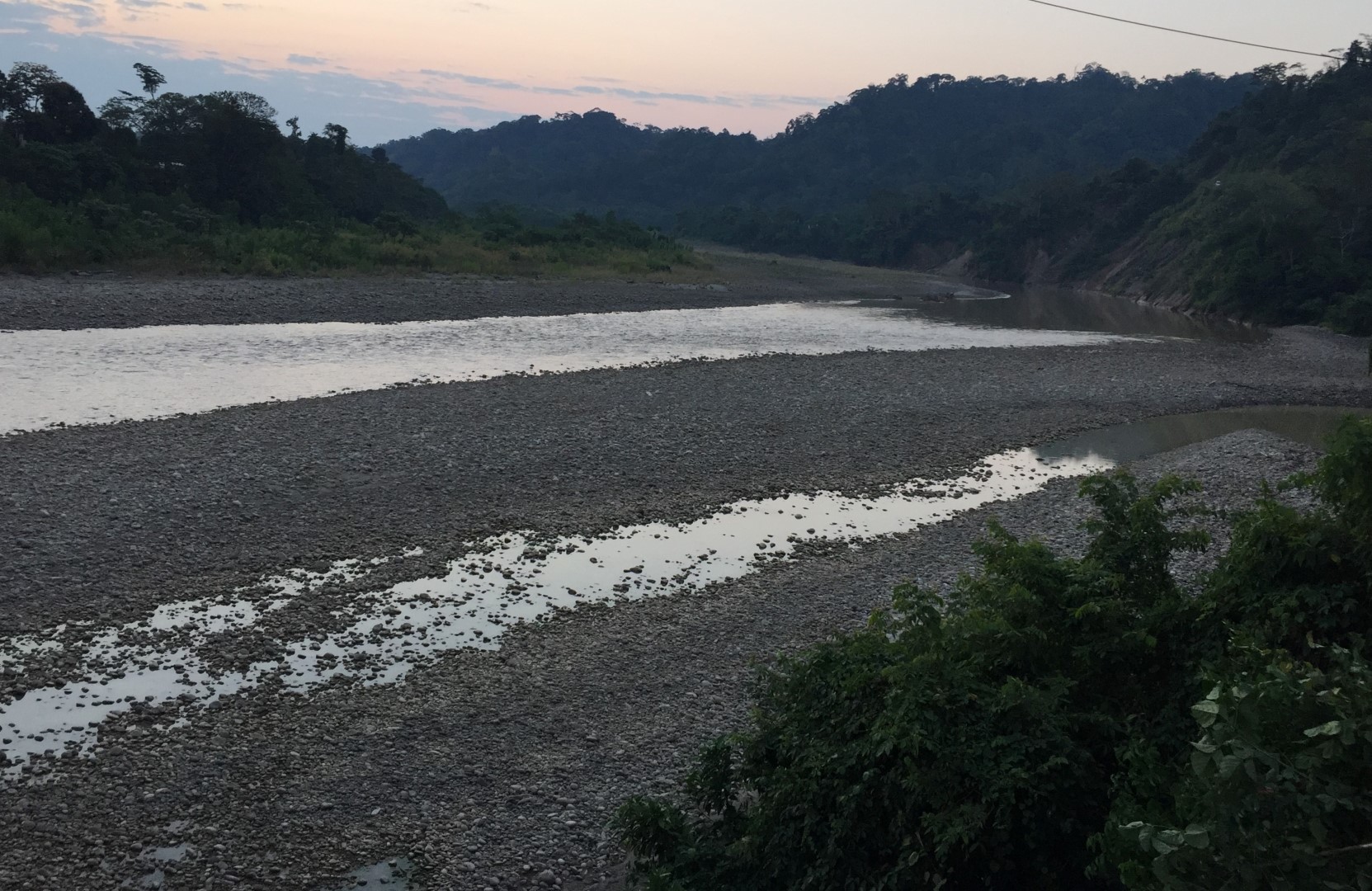
At lunchtime, somebody writes “Bonfire tonight!” on the board. It will serve as a farewell party for Jack and his friends, and Pippa and I decide to join. At the appointed time, everyone gathers outside the volunteers’ café. Each person takes a piece of wood for the fire, and armed with machetes and torches, we follow a jungle trail down to the river. Xilona, already nicknamed the fire woman, skilfully splits the wood with a machete and lights the bonfire. We drink wine and toast marshmallows. Working with one hand, Jack cuts ingredients for toasted sandwiches and carefully places them on the hot stones. Inevitably, just before they are ready to serve, cheese and other ingredients begin rolling out, and everyone laughs about why Jack was chosen as head chef. At one point, Nathan says that he feels as though he is sitting beside a bonfire somewhere in Britain rather than in the Bolivian jungle. It is true: most of the volunteers gathered tonight are British.
With Max from New York, Cameron from Scotland, and Camille from Paris, we discuss Bolivian wine. Everyone likes it, but Camille says no, it is not actually all that good. None of us has the slightest intention of arguing about wine with a Frenchwoman, so we agree that perhaps it is not the best and carry on drinking. English is the main language among the volunteers, yet Cameron and Camille speak Spanish to each other. I say that practising this way, between two people who both speak English, is certainly committed. Camille agrees, but admits that it is also easier because sometimes she cannot understand Cameron through his Scottish accent. Cameron merely laughs and acknowledges that, yes, he has one. During the evening, I describe my work in Latvia, and Cameron says he would enjoy doing something similar because public speaking and presentations do not make him nervous. After a short pause, however, he adds that he could work only in Scotland, since nobody elsewhere would understand what he was saying. It is already rather late and tiredness is making itself felt, so Pippa, Camille, and I decide to head home.
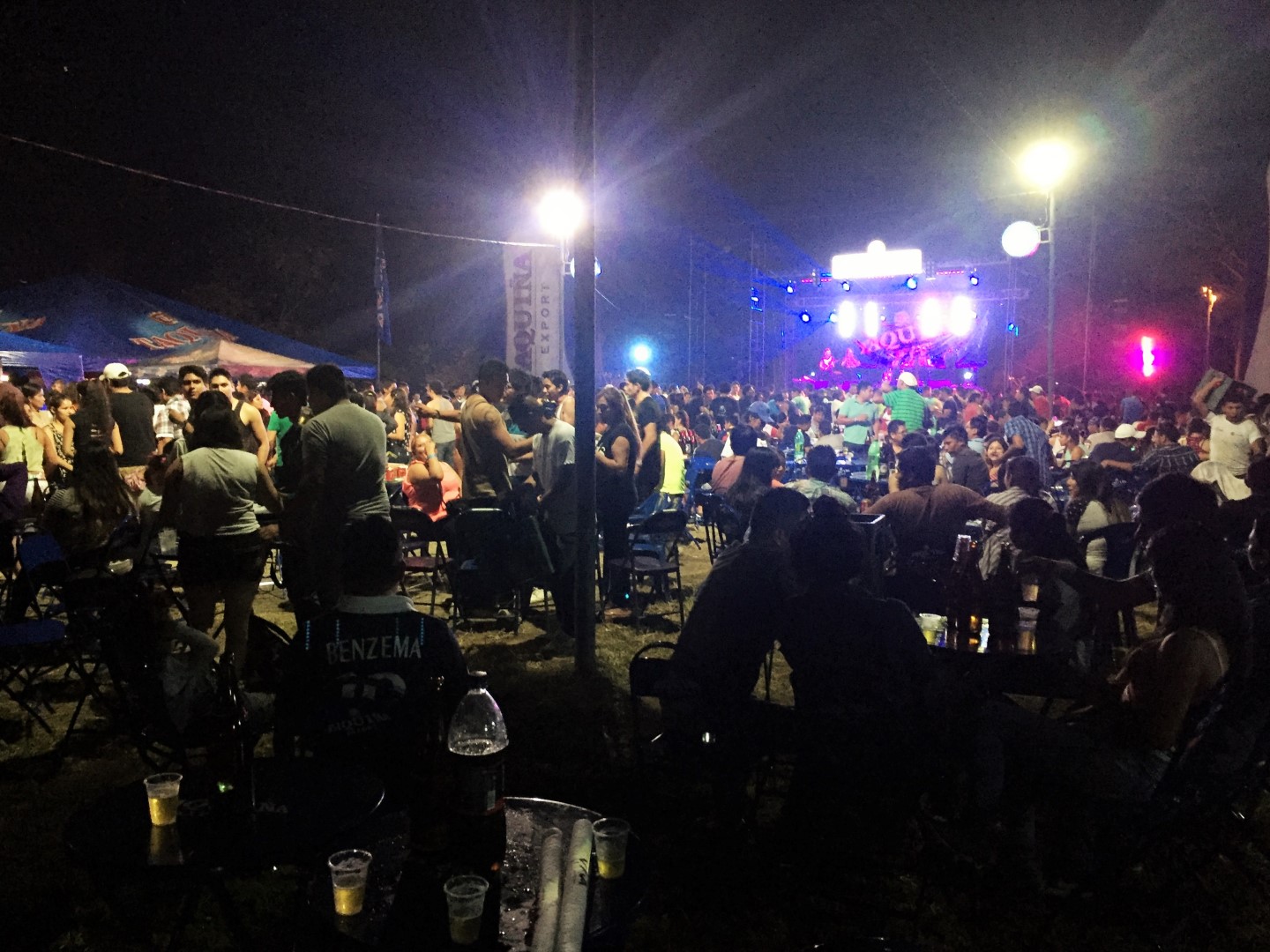
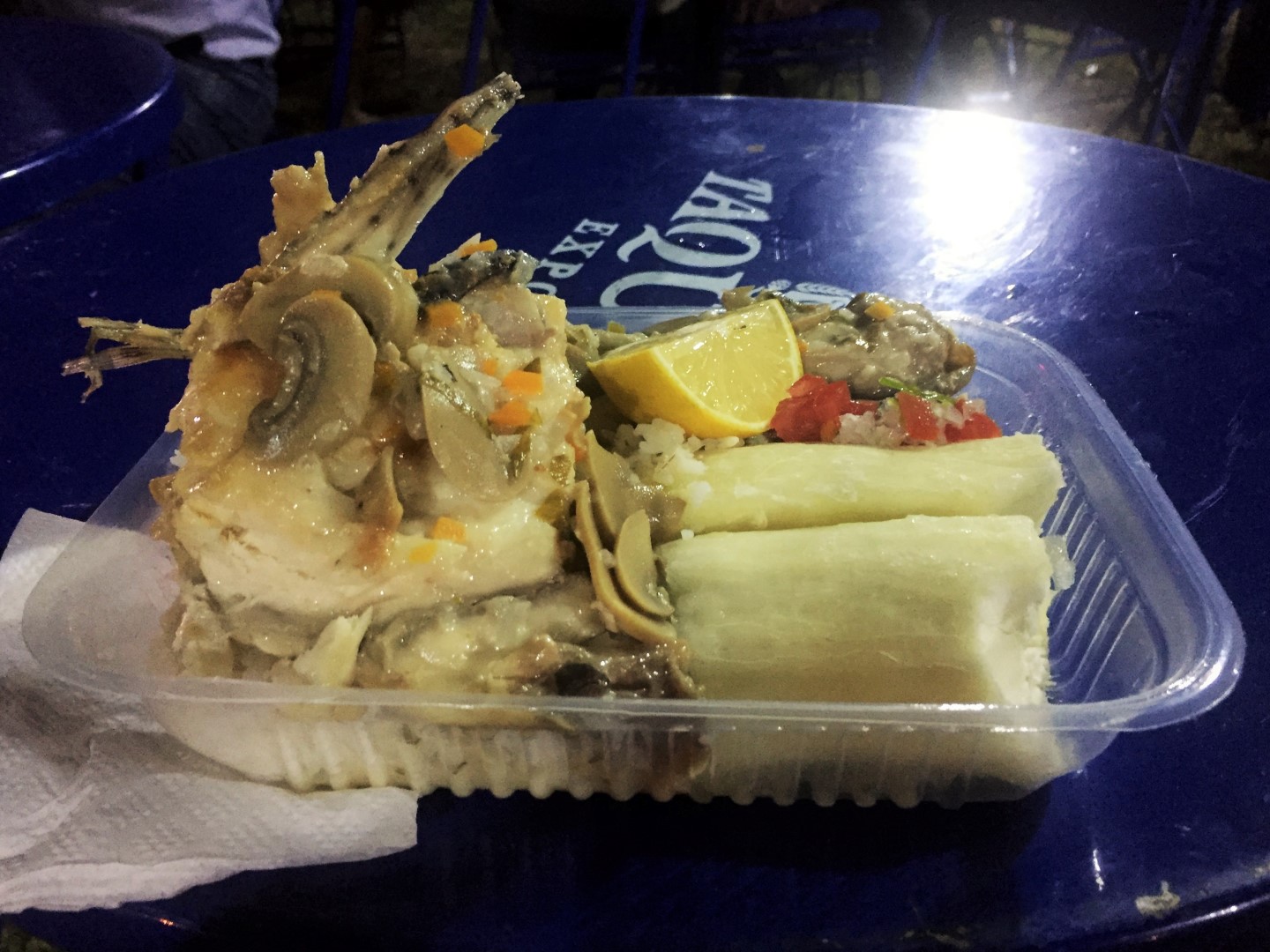
The weekend approaches, bringing Bolivia’s independence celebrations on Friday and the local fish festival on Saturday. Naturally, the volunteers are not going to miss such a major event. On Friday evening, before we walk to the village together, there is a short briefing outside the café. Nena tells us, “The fish festival is the biggest party in Villa Tunari. Stay together. Men, look after the women, because there will be plenty of local men who want to meet them. Women, look after the men, because there will also be plenty of wild local women.” Properly instructed, we set off for the centre as a group. Esteban’s family—his wife, brother, and two young daughters—come with us. They live near the volunteer house and work for CIWY. At the festival, you buy an admission wristband and enter a space rather like an open-air concert ground, where you can listen to music, eat fish, and have a drink. We find somewhere to sit, the men push several tables together, and the CIWY team is unquestionably the festival’s largest group. Latin rhythms come from the stage, where a band has arrived from Cochabamba. Esteban tells us which two fish on offer come from the local river, so we head to the stalls as a group and order them. I receive an enormous portion containing rice, fried yuca, salad, and a piece of some gigantic fish. After dinner, beer bottles begin replacing plates on the table, while the keenest dancers—Esteban’s family and Xilona—dive into the crowd. During one interval, after the band has finished and while the next is being awaited, electronic music begins to play. Ben from the United States jumps to his feet and launches himself alone into the crowd with some VERY interesting dance moves. Those of us still at the table are delighted by Ben’s entertaining performance and watch for a long time as he gradually works his way towards the stage. He is easy to spot: unlike the locals, he is tall, and his blond head remains visible above the crowd. The next band settles in and begins playing much calmer music. Pippa remarks that Ben will be back soon. Sure enough, we watch him emerge from the crowd and return to the table. Cheerfully, he tells us that on the way back, a local man slapped him between the shoulders; when he turned around, the whole group looked away as though none of them had done it. So Ben demonstrated everything he had learnt from angry alpha males while working with capuchin monkeys. The local men were thoroughly confused by the performance of this blond human ape and hurried away. Yes, Ben is a very interesting character.
Since a snake about two metres long has greeted me beside the tortoises on two consecutive days—to say nothing of the fist-sized spiders—I ask Esteban in my broken Spanish what kind of green snake it is and whether it is venomous. He says no, it is harmless and is only looking for frogs to eat. Then he laughs and adds that next time I should call him: he could make a new belt. He also tells me that giant scorpions live beside the streams when he goes into the forest. After a story like that, I have no intention of mentioning the little scorpion I accidentally stepped on in Colca Canyon. The jungle is full of life.
On another evening, we decide to cook dinner together. Cameron has taken on the role of chef, while I go to buy the ingredients because I enjoy riding mototaxis and now know the market well. For me, a mototaxi ride in this little jungle village really is a joyful event. The standard process is to step onto the main road, flag down a motorcycle taxi, and pay one boliviano (€0.13) for a ride to the village centre. Warm jungle air strikes my face, tears stream sideways from my eyes, and my hair flies in the wind. When I return, the chopping team is ready for action: Pippa and Camille cut all the ingredients while Cameron heats the pans. Max arrives once the frying is already well under way, so he is delighted to learn that he will be responsible for washing up. Cameron calls me over to help drain the spaghetti. I hold the colander above the sink while he pours it in. There is so much that the bottom falls out of the colander and every strand lands in the sink. Cameron grins and says, “We won’t tell them!” Laughing helplessly, we quickly begin scooping the pasta back into the pot. I decide that the sink must be full of bacteria, so I rinse the spaghetti with tap water—which YOU MUST NOT DRINK. (Some people even brush their teeth with bottled water.) We fry the pasta a little longer, and no harm is done. Cameron’s dinner is actually delicious, and we eat enormous helpings, including the share belonging to our sixth participant, David from Madrid, who is already several hours late.
The next day, I feel weak and do not really want to eat, so at lunchtime I decide to lie down instead. On my way back to the birds, I meet Camille, who says that everyone else is feeling a little strange today as well. I struggle through to the end of the working day and go straight to bed. The following day is so bad that I barely have the strength to reach the bathroom. Fortunately, my caring roommate Pippa has told Ronnie that I will not be able to work. Xilona visits me in the room. I cannot even make it to lunch, but Ronnie brings food and water to me. I say that I will surely be fine tomorrow and return to work, but after a night of misery, I feel exactly the same the next day. That evening, I summon all my strength and walk to the distant volunteers’ café for tea and finally ask the vet for help. Mark from Germany, who is studying to become a vet, asks how much I weigh and decides that some medicine might help. It works for the monkeys, he says, although not for him because he is heavier. He also tells me which human medicine I should get from the pharmacy the following day. The animal medication genuinely makes me feel a little better, and at least I sleep through the night. Pippa has already arranged to take an hour off the next morning and travel into the centre to buy my medicine, but when morning comes, I feel strong enough to go myself. After Pippa’s rehydration powders and my newly acquired medicine, I decide to return to the birds in the afternoon and slowly work through the necessary tasks. Being back among them also helps enormously. After three days of misery, a smile finds its way onto my face the moment I see Roma and Monchito again.
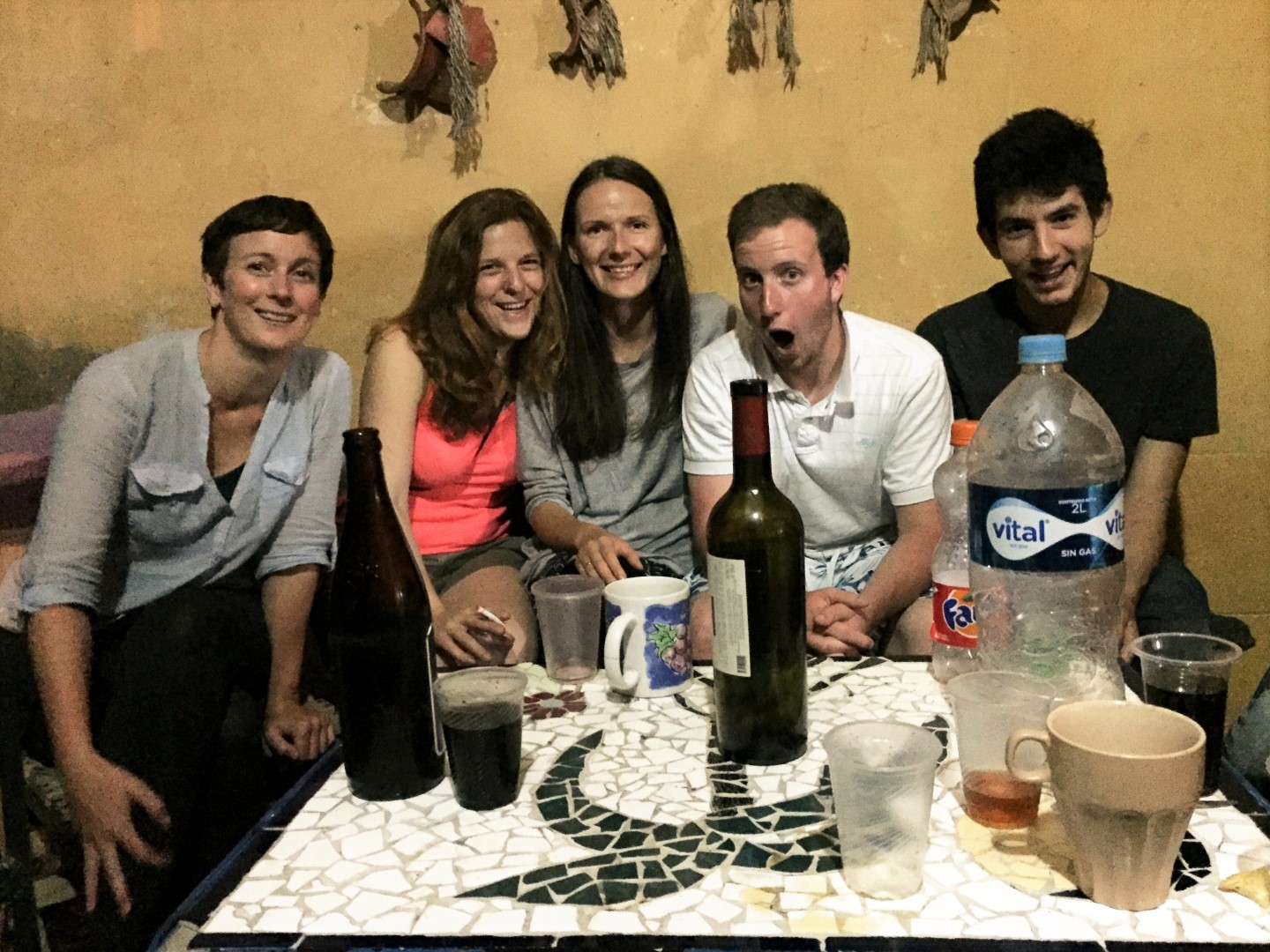
That very evening, a farewell party is planned for Yael and Mark—this time, a pool party. Paola, a long-standing CIWY employee and supporter, has offered her home for the occasion. I am still wondering whether to attend, but Ronnie persuades me to go for at least an hour and sit with everyone; it will make me feel healthier. By evening, I feel well enough to join the others. Nathan has assumed responsibility for feeding everyone and organises the cutting of ingredients for vegetarian and meat skewers. The rest of us sit in the garden, listen to music, and talk. Look—someone has finally appeared who is prepared to rescue the party’s theme, jumping into the pool with a cannonball! He proves to be the first and only swimmer of the evening. Everyone else prefers simply to spend time talking. Cameron keeps saying “Beaujolais” to Camille in an elaborate fashion and grinning. I ask Camille what this “boh-zho-lay” actually is. She leans closer and says in complete seriousness that Beaujolais Nouveau is a bad wine from Burgundy. “If you see Beaujolais Nouveau in a shop, don’t buy it!” Camille warns me. Everyone laughs and tries to remember the word “Beaujolais” so they can avoid such a purchase for the rest of their lives.
The next evening, people plan to visit the local disco, where, according to the other volunteers, the locals dance in lines. Much as I would like to line-dance with them, I still do not feel well enough to join.
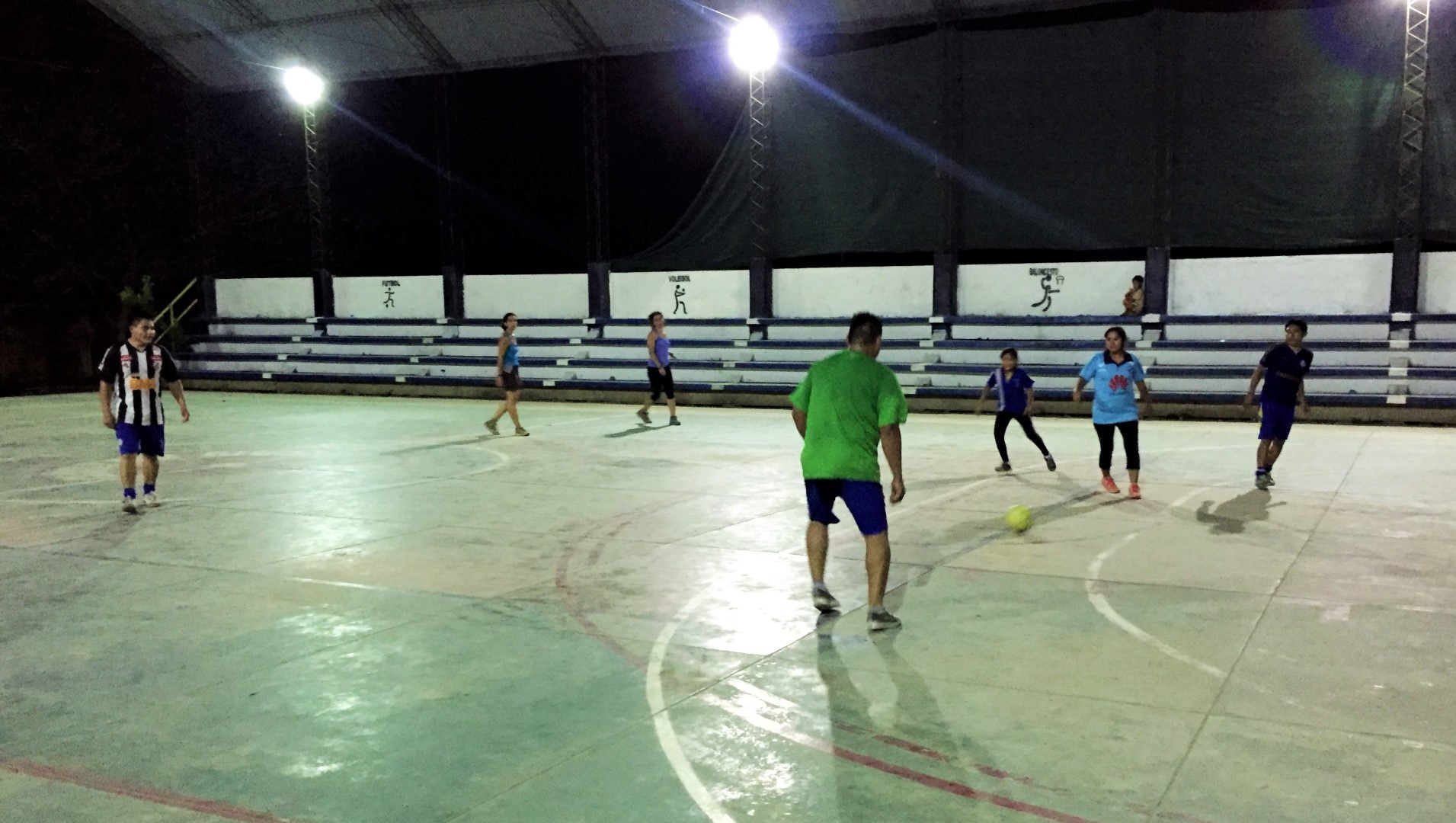
One evening, the café noticeboard reads “Football 20:00 pm”. Xilona tries to persuade Camille and me to play, but we say in unison that whichever team gets us will bitterly regret it and beg us to stop. So while everyone else gathers for football, Camille and I go into the village for dinner, buy ice cream, and then return to watch. Esteban’s whole family will play, except his youngest daughter, along with the women volunteers and Cameron. We watch and realise that everybody plays surprisingly well. We are pleased we had the sense not to join. :) We are proud of Cameron for being the only male gringo representative. There was once a Bolivians-versus-gringos match, but the only members of the gringo team brave enough to play were women. There is good reason to be nervous: Bolivians have football in their blood. Camille and I chatter and laugh so much that we barely watch the game. Since we, together with Esteban’s youngest daughter, are the only supporters, duty compels us to shout and clap whenever either team scores. We never quite work out who is on which team, but when there is a goal, we cheer. We miss a few too; when the players look in our direction, we pretend that we saw and applaud. Once the ice cream is gone and we have taken selfies with Esteban’s little girl, we conclude that we are dreadful football supporters and trudge home.
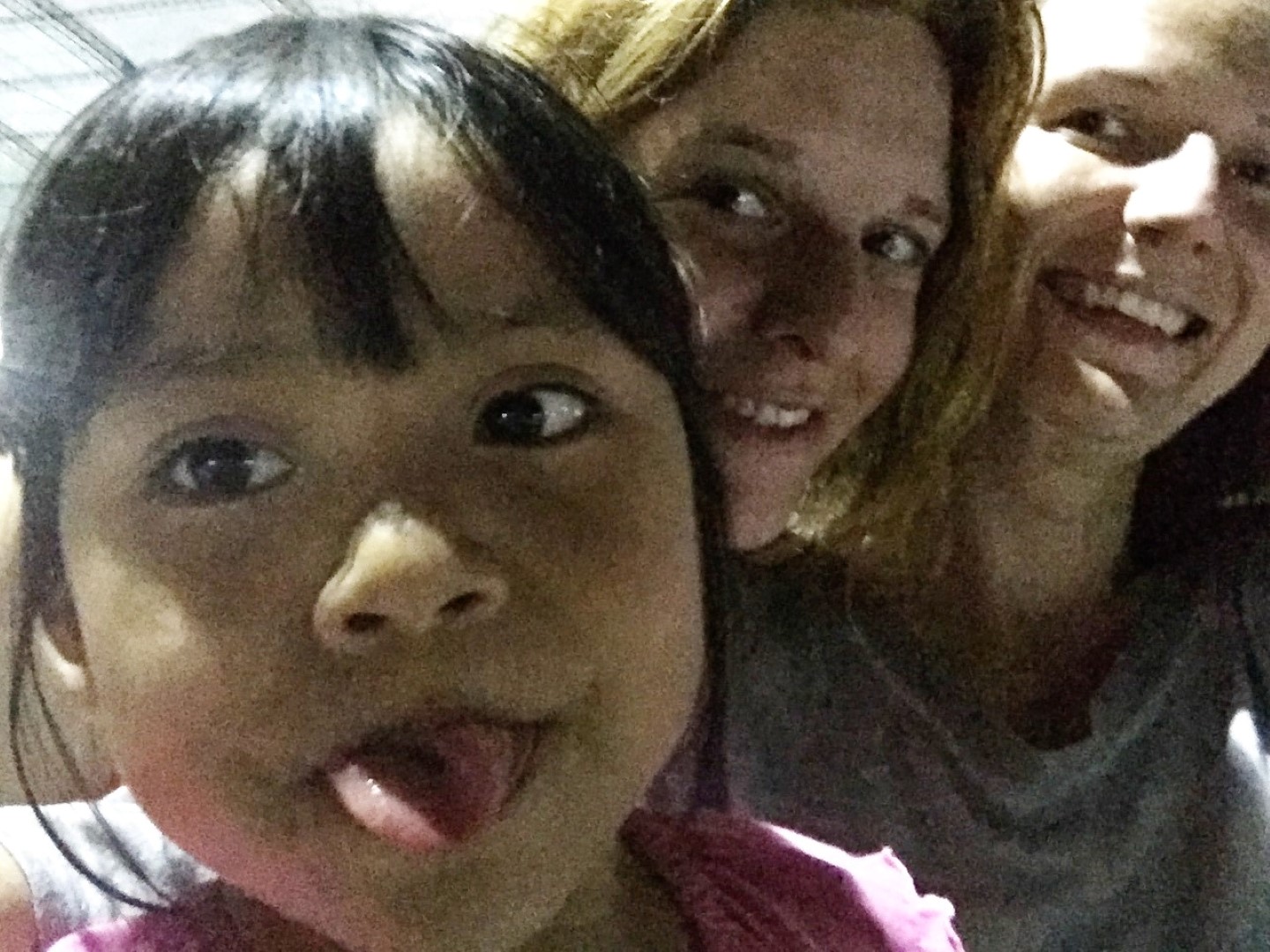
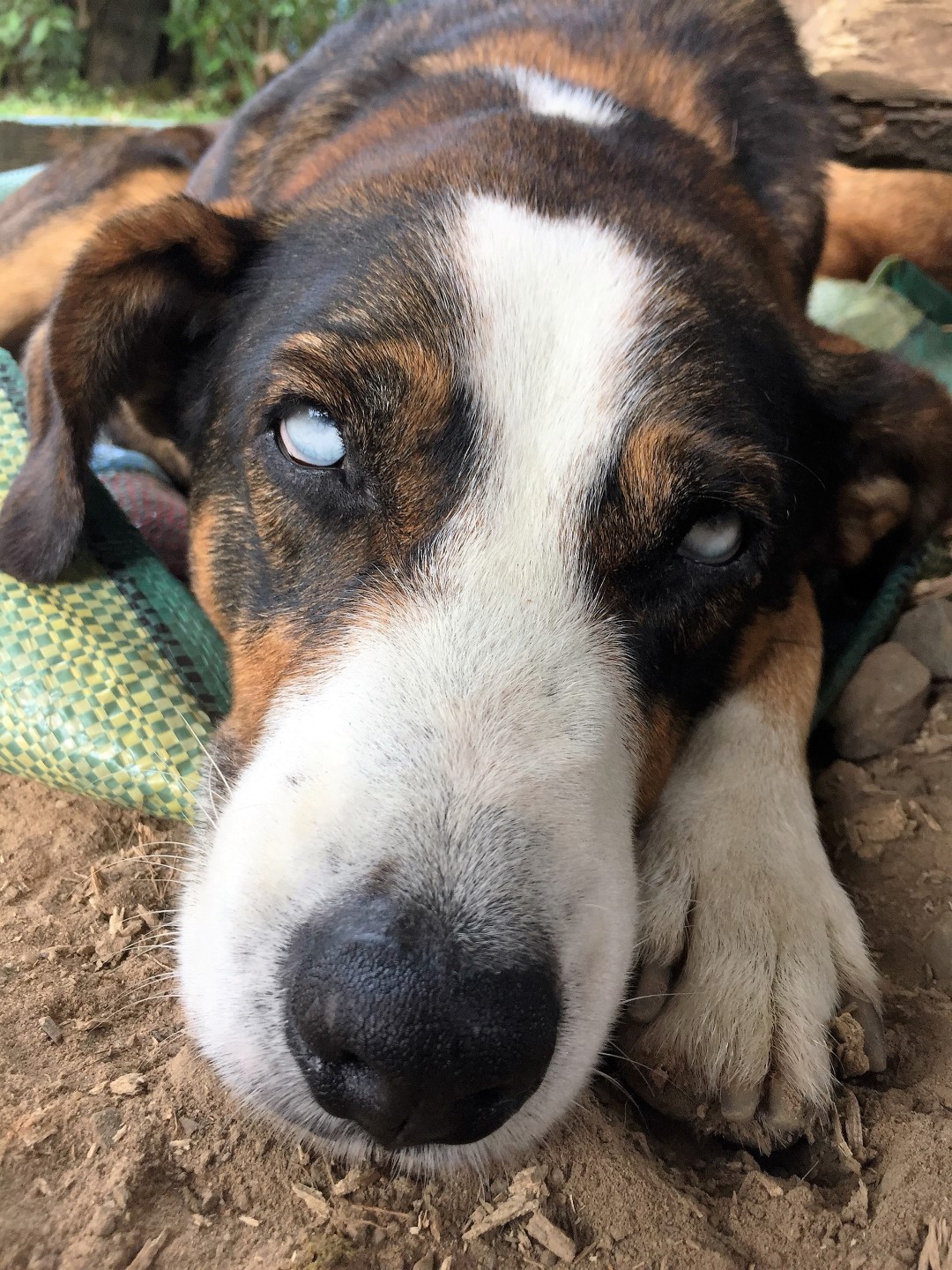
I must admit that after a full day of physical work in intense heat, even I sometimes wanted to go to bed at around 21:00. Everyone else was equally tired, regardless of which section they worked in. Yet we usually spent the couple of hours between dinner and sleep talking together. Camille and I often sat on the steps outside the house while Cameron played guitar, with the dogs—Chiripa, Goodall, and little Yapita—always somewhere nearby. We decide that I will visit Camille in Paris and she will visit me in Latvia. I tell her about Latvia, we discuss our future travel plans, and simply enjoy one another’s company.
My time at Parque Machía will always be associated with this song, which played at every party.