When I began volunteering with CIWY, I realised that another childhood dream had come true—although the story is rather funny and involves a small misunderstanding. At the end of my preparatory school year, our class went on an excursion with teachers and parents. A few days beforehand, the teacher asked every child what they wanted to be when they grew up. I needed no time to think because I had always dreamed of becoming a veterinarian.
Unfortunately, when the day came to tell the teacher, I forgot that long and difficult name for the profession. I tried to explain: “You know, the job where you treat animals…” My description may not have been ideal because she interpreted it differently. On the great day of the excursion, the teacher used the bus microphone to announce each child’s name and present a certificate showing their future profession. Teacher, police officer, firefighter… Every parent dissolved into suppressed laughter when she announced: “When Undīne Pelčere grows up, she will be a livestock keeper!” My family still laughs about that misunderstanding, but I am pleased that my childhood pseudo-dream has finally come true.
The first working day
What did I leave unsaid in the previous article? Which animals would I actually work with? CIWY assigned me to the birds and tortoises. At the time I arrived, every task in this section was performed by a single person: the bird coordinator, Ronit from Israel. She tells me she first came to CIWY as a volunteer in February while travelling through Bolivia. Once here, however, she understood that serious improvements to the bird section could only be made over a longer period. Encouraged by Nena, she decided to return and remain until November. While I was there, she extended her stay by several more months.
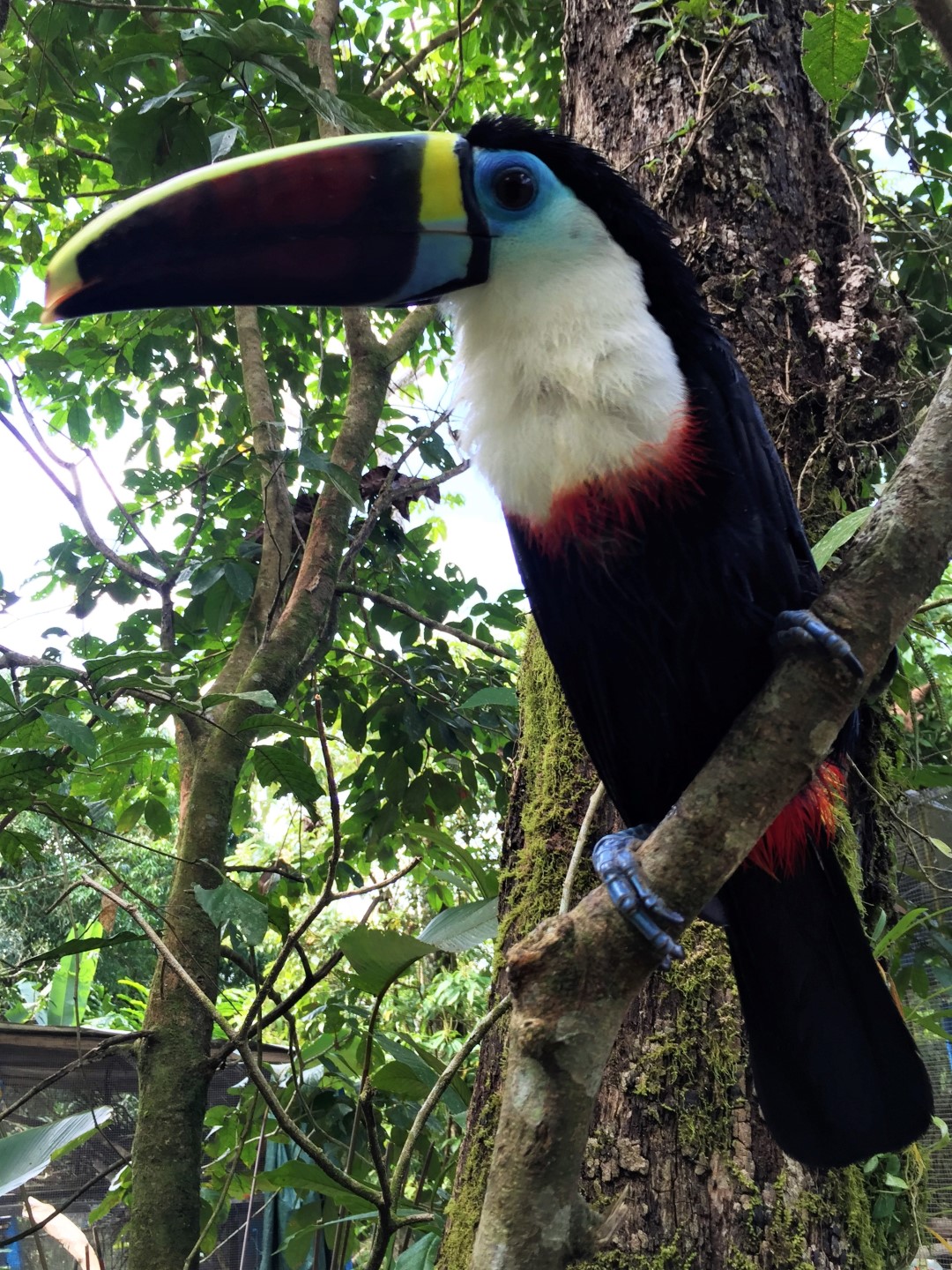
Most birds are released from their cages during the day and can enjoy the surroundings as they wish. We simply keep them in sight so they do not leave the area. Many of those allowed outside have clipped or broken wings, a legacy of their former homes. Some can fly but have become so accustomed to people and care that they do not leave on their own.
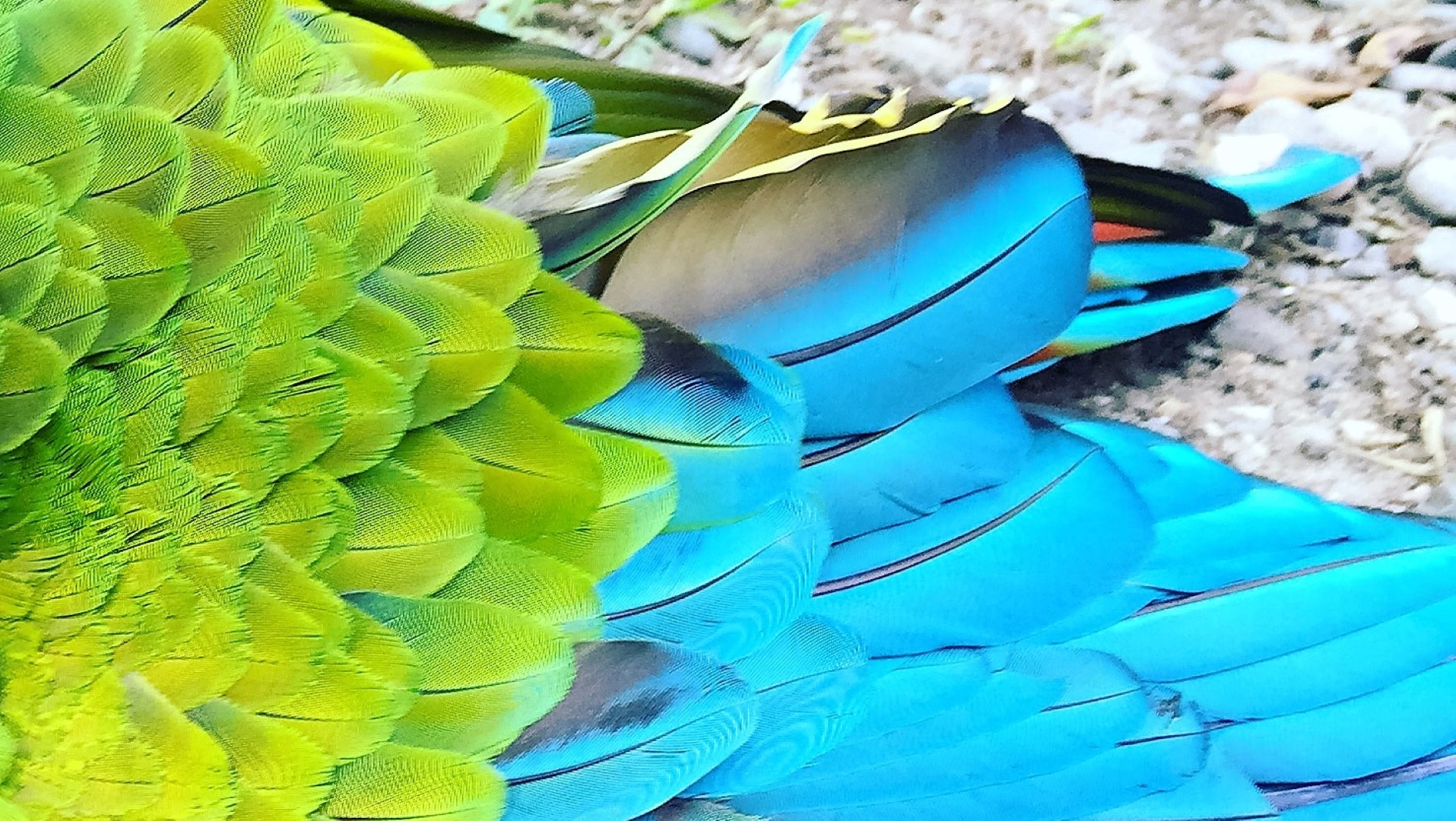
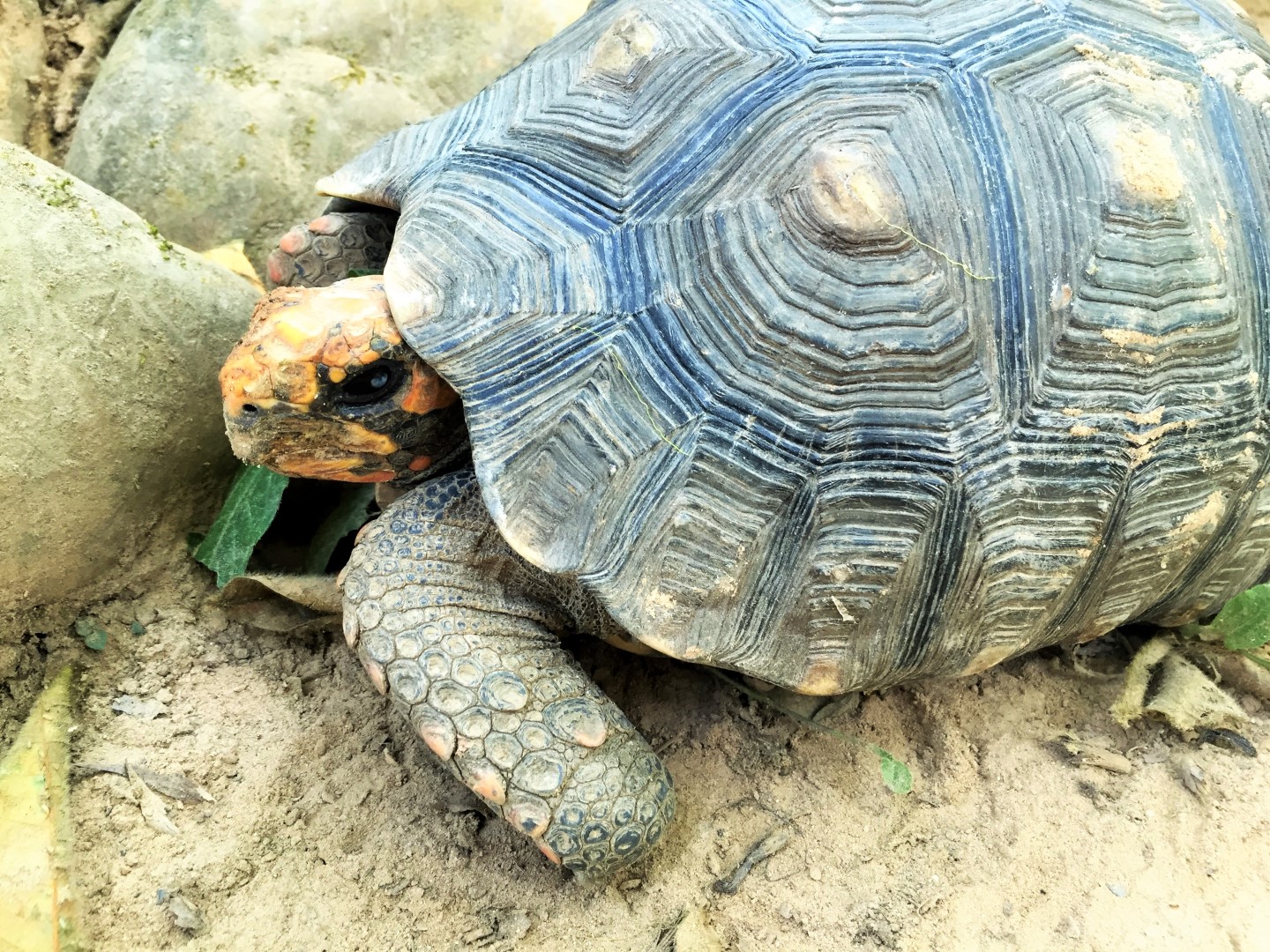
Ronit leads me to every bird and introduces it by name and species. Some greet us in Spanish: “Hola!” There are scarlet and blue-and-yellow macaws, Amazons, military macaws, pionus parrots, and even one toucan—around fifty birds altogether. Then there are tortoises: two kinds of Californian water turtle and one large, blind land tortoise.
The morning routine, including feeding, has already been completed, so cage cleaning begins under Ronit’s supervision. The word “cage” probably brings to mind something in which a pet canary might live. There are no cages like that here. I walk inside standing upright and clean the “tables”—surfaces on which food is placed—with a bottle of water and a brush.
At first, I am slightly afraid of how the birds inside will react to me. I watch them constantly so that I can respond appropriately. Ronit says they understand that I am working and will not try to attack. Next, I rake the cage floors. The birds remain sitting on their branches, watching me and occasionally saying, “Hola!”
The noise is tremendous. Every bird speaks in its own language or repeats whatever it learned in a former home, mostly in Spanish. I ask Ronit whether she still hears voices in her head at night. She laughs and admits that sometimes she does.
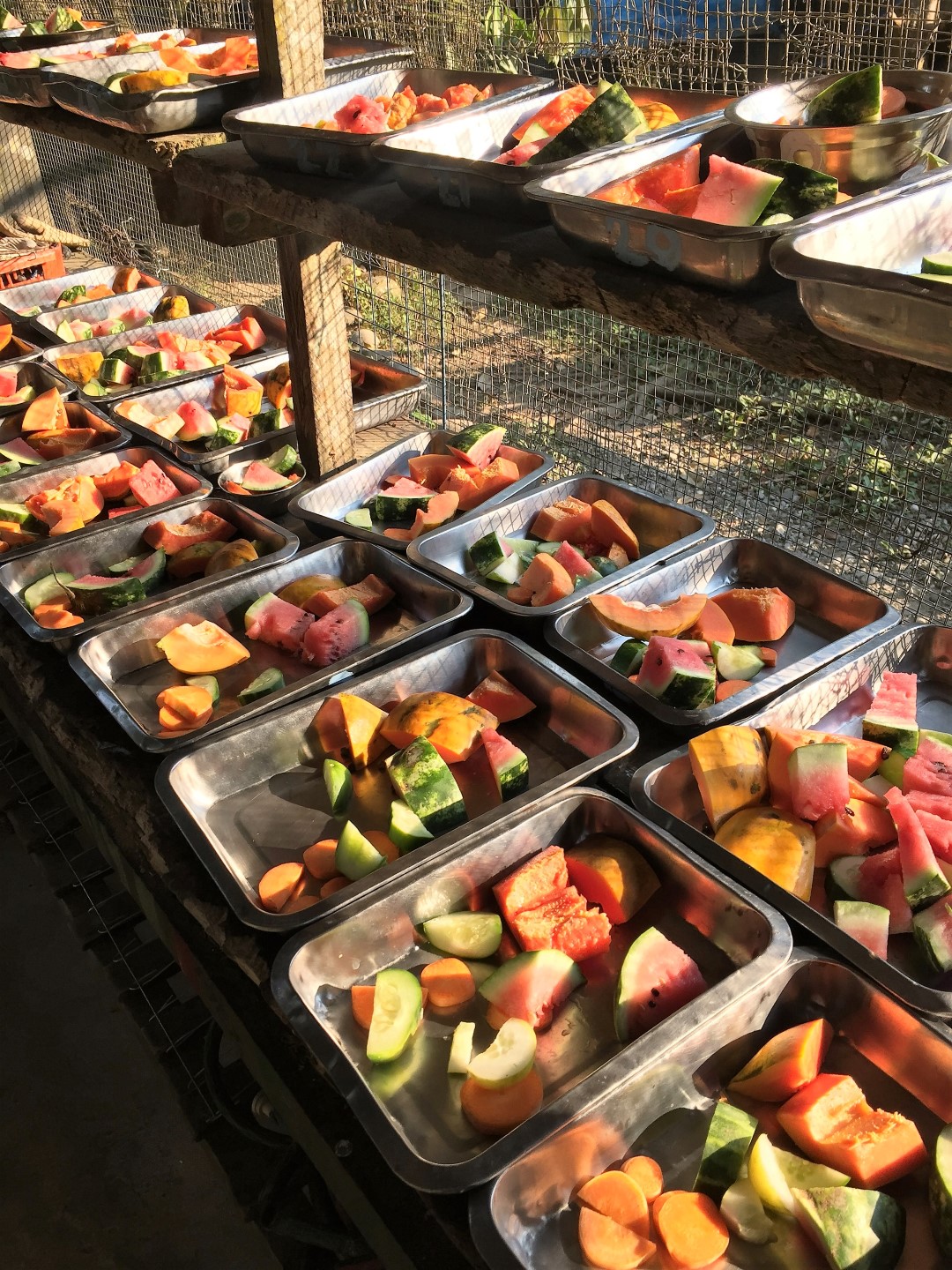
Bird dinner approaches at five. After washing the dishes, we cut fruit and vegetables and arrange them on numbered plates corresponding to each cage. The birds understand that food is coming and grow even noisier. Large macaws climb the walls of the kitchen and watch us prepare it. The kitchen is a wire-mesh structure used to store and handle food. In effect, we humans are inside a cage while the birds walk around outside and watch us work. :)
Ronit teaches me to put more food on the macaw plates, especially for the four babies who eat a great deal. Because of his blood pressure, the toucan cannot have green fruit or vegetables apart from cucumber, and everything must be chopped into small pieces because he tosses each one into his mouth and swallows it whole. I notice that Ronit cuts food especially finely for several other plates. She has observed that certain birds prefer it that way, probably because their previous homes accustomed them to small pieces.
Everything is ready for the evening banquet, as I begin calling breakfast and dinner service, and we distribute the plates. Birds inside their cages rush forward and snatch pieces of banana, their favourite. Those outside understand that dinner is ready too, and each walks across the grass to its own numbered home.
After dinner, we clean the kitchen, carry scraps to the compost heap, and close the curtains on every cage. My working day ends at about 5:45, and I am the first person back at the volunteer house. At least there is no queue for the shower!
That evening, I reflect on my first day and feel slightly bewildered. Perhaps it is exhaustion or simply the unusual surroundings, but I do not entirely understand my own thoughts about everything I experienced. There is so much new information and so many personalities—in bird form—that I will have to learn. I admire Ronit for recognising every bird by name. All the blue-and-yellow macaws look identical to me, never mind the Amazons with their similar colouring. At about nine, tired and lulled by the sounds of the jungle, I fall asleep.
The second working day
The alarm sounds at 6:30. I open my eyes and hear that several birds are already awake outside the window, speaking monotonously in their individual voices. The volunteer house stands beside the bird section, and my window—which has no glass, only fine insect mesh—happens to overlook their area.
I jump from bed and go to the bathroom, where a line of volunteers is already brushing their teeth. At seven, we walk several hundred metres to the CIWY staff café for breakfast. Wearing rubber boots and work clothes, I stride along happily and prove once again that my Latvian colleague’s saying, “Let it settle,” is excellent advice. I have woken with a clear view of this place: I love it, and I cannot wait to meet my birds again.
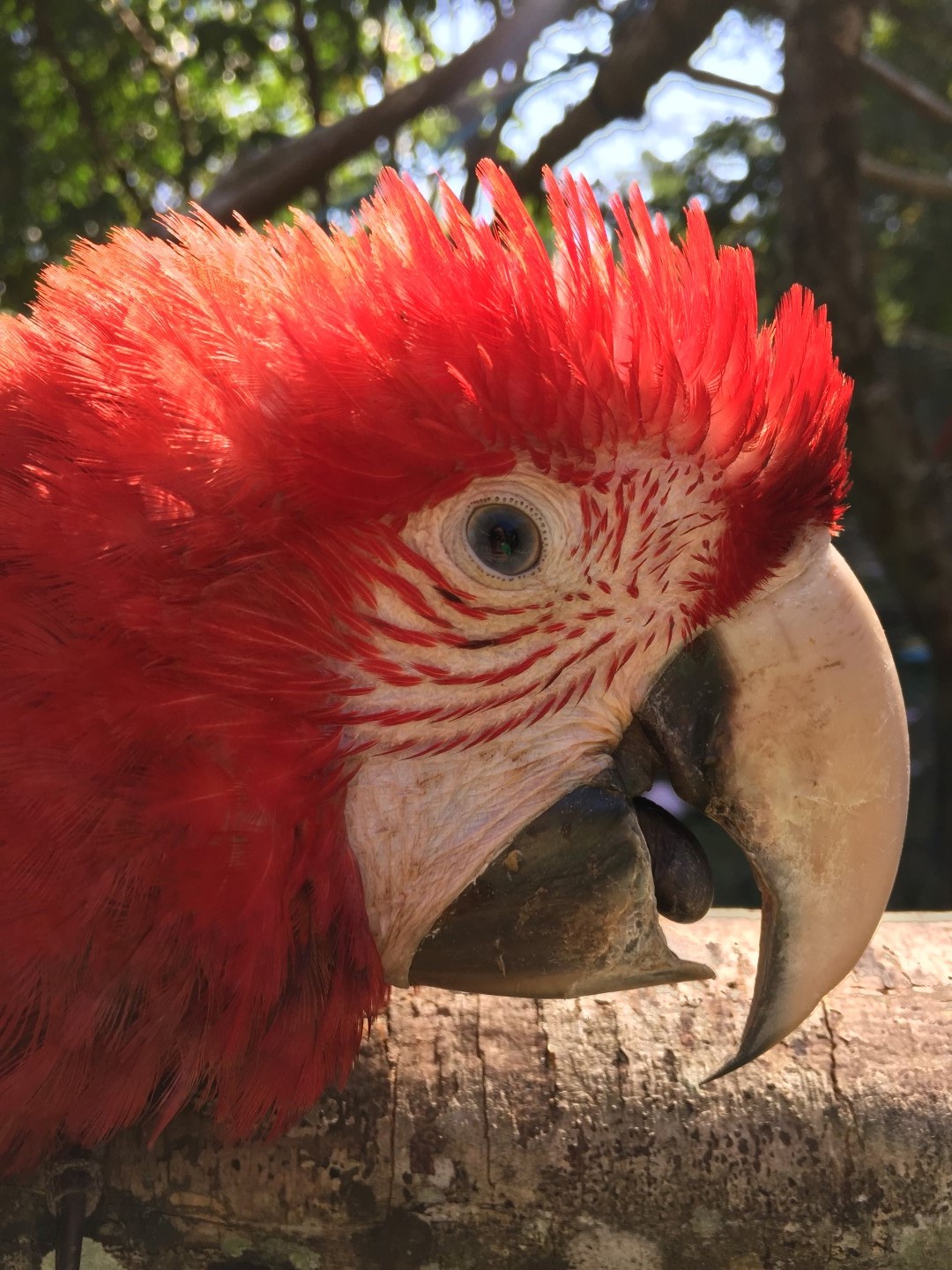
After breakfast, Ronit and I divide the load and carry sacks of papayas, bananas, and other treats to the bird section. While she washes the food, I open the curtains and remove plates from the cages. The birds seem especially happy and talkative in the morning. Every cage greets me with “Hola!” I return each greeting, and with every exchange my mood and excitement rise to heights I have not felt in a long time. Because of those cheerful, chatty birds, this morning remains one of my strongest memories of Parque Machía.
I learned the daily routine yesterday and can now perform it without much thought. Alongside the work, I concentrate on observing the parrots: who lives in each cage and what they are called. Once they are outside, I watch their behaviour because Ronit explained that every bird has its own habits and favourite destinations.
Rosa and Watson, both macaws, tend to visit the volunteer-house kitchen or climb onto their cage roof. Marwan the toucan usually ascends high into a leafy tree. Carolina generally sits on a branch at the edge of the area, where her talking attracts tourists and creates a situation we have to manage.
Recognising the birds and their habits is essential because it can prevent unpleasant situations. If a headcount shows that one is missing, we need to know exactly which bird has disappeared so that we do not waste time searching places it never visits. On my first day, I memorised several distinctive personalities—Marwan, Carolina, and Monchito. By the second, progress is substantial: I can recognise almost every bird outside by appearance.
When I began, I thought I would not tell them apart even after several weeks, but observation is the key. Ronit agrees that this is extremely important. Some volunteers complete all the required tasks but forget whom the work is for. Unsurprisingly, they still cannot recognise the birds when they leave several weeks later.
I mentioned tourists, although the animals of Parque Machía are not open to the public. Around the world, some sanctuaries choose to admit visitors to raise additional funds for animal care. Nena’s decision is unequivocal: animals under CIWY’s protection will not become exhibits. Extra income would naturally be useful, but uninformed visitors bring their own side effects—trying to offer crisps, using camera flashes, touching animals, and more.
In my view, the most important thing the animals would lose is their sense of freedom. CIWY is unusual because some animals remain free continuously while others are released during the day. This demands more work and attention from staff and volunteers; it would certainly be easier to keep everyone in cages. Tourists still come to the surrounding park in large numbers, however, for a particular reason.
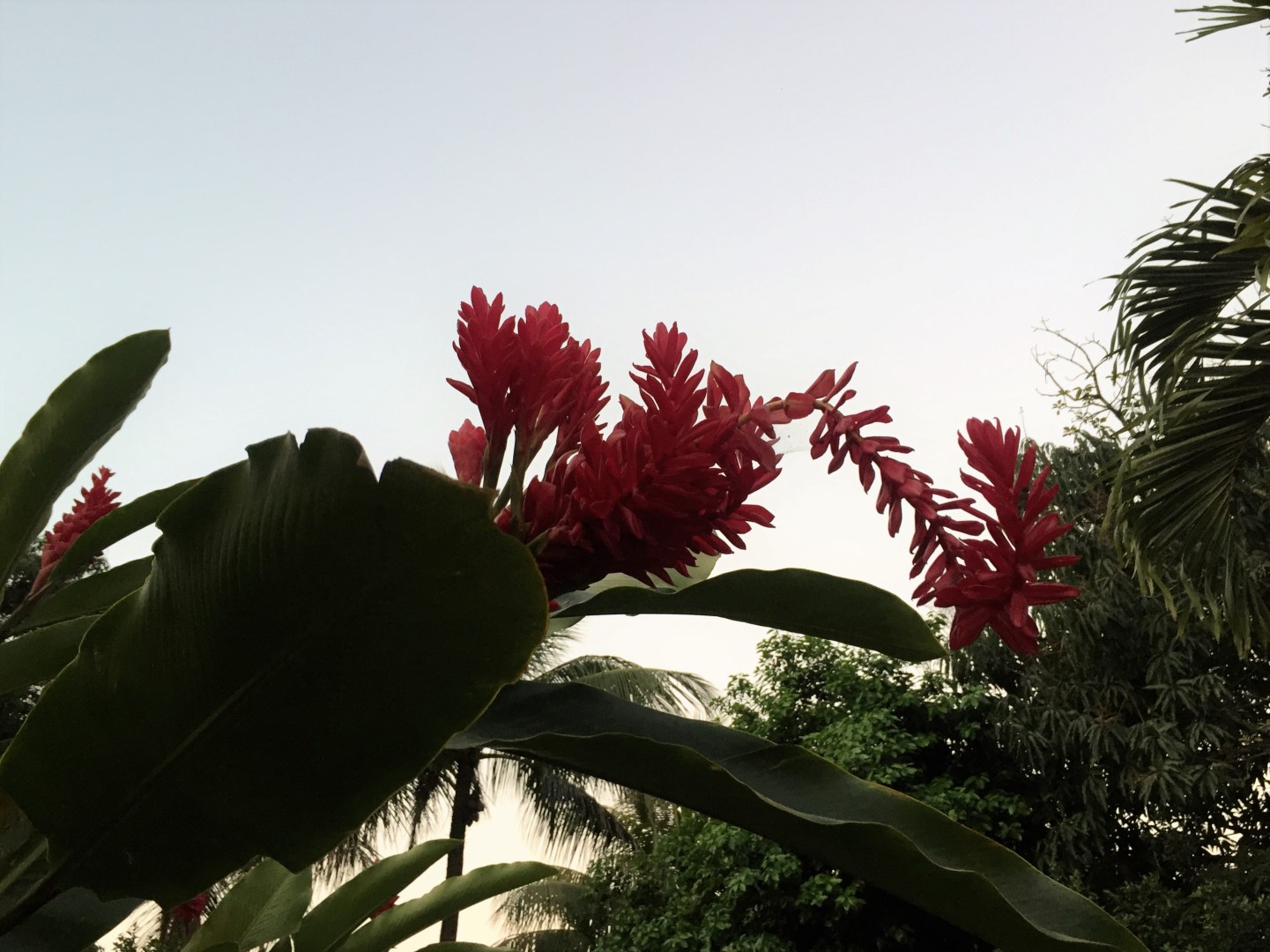
The village of Villa Tunari was once generous enough to provide land for housing the animals, but nothing remains ideal forever. Over the years, the village noticed that people travelled to this little jungle settlement because animals could be seen here. And indeed, many spider monkeys and capuchins released in the past chose to live and raise families in jungle close to their former home at Parque Machía.
Taking advantage of the free animals—former Parque Machía “pupils”—visible beyond CIWY’s land, Villa Tunari created an additional source of income: a paid tourist trail running directly beside the sanctuary’s fenced areas and ending at a viewpoint high on a jungle hill.
The side effect is that, alongside their normal duties, Parque Machía staff must prevent tourists from entering animal areas. The bird section is especially tempting because it can be heard from far away. Despite the clear No pasar!—No entry—sign on the gate, people gather outside and ask to see the animals. After being refused, one visitor even offered money. Most people, however, are understanding and continue along the trail.
I have outlined our regular work in the hope that it helps anyone considering volunteering with animals. Cleaning cages, washing dishes, preparing and serving food, maintaining the grounds, and supervising the birds alongside it all—these are the basic daily activities.
After the morning routine, there is usually about an hour before lunch when the largest tasks are complete. While watching the birds, volunteers can work on individual projects. A technically minded person may repair and furnish cages. Artistic talents can decorate wooden surfaces and make toys. In my free moments, I try to improve the tortoise area because birds clearly play the leading role in the section while tortoises remain in the background. It is wonderful that volunteers have the freedom to realise personal ideas for making life better for Parque Machía’s residents.
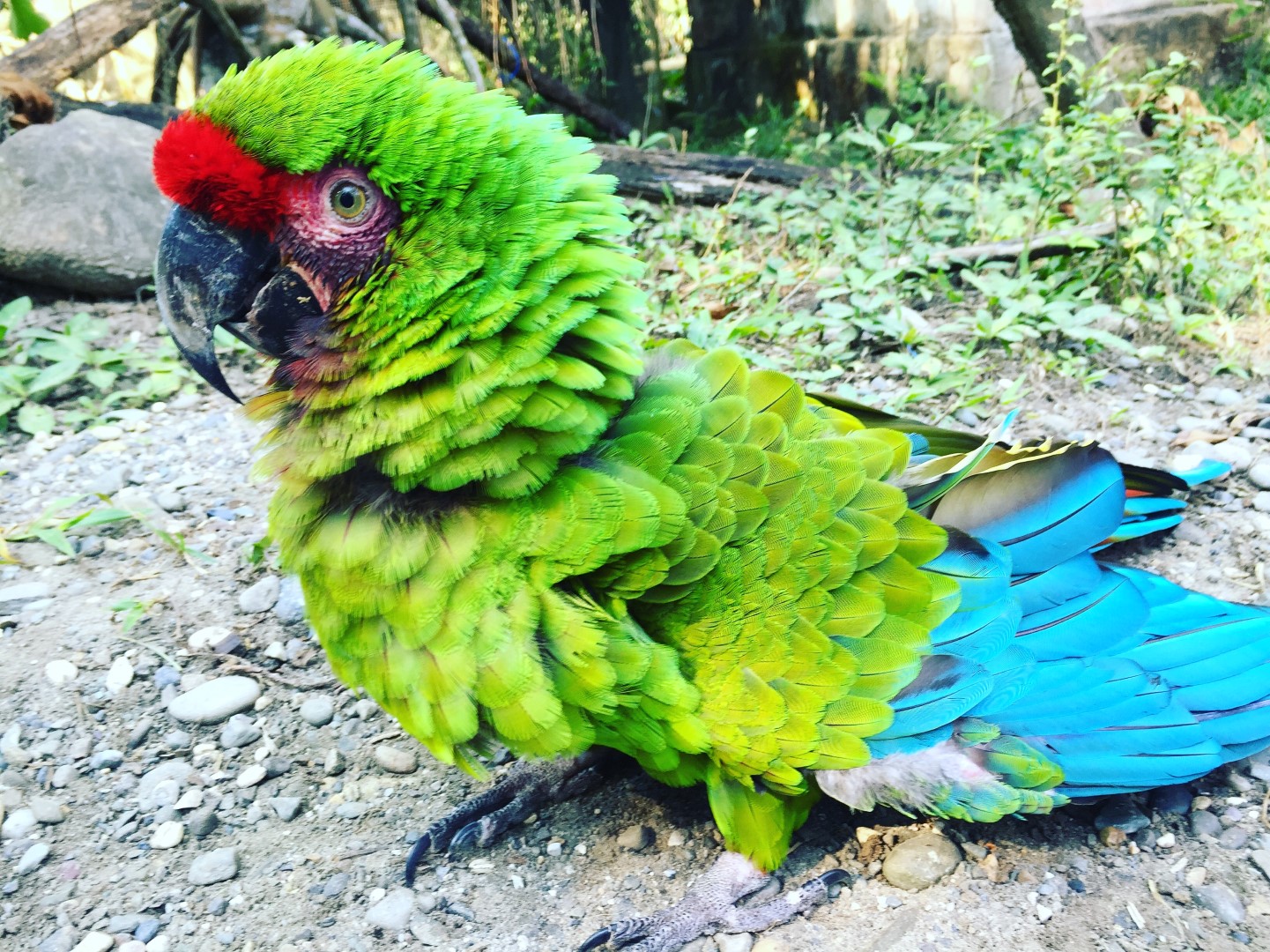
And now, at last, I can begin writing about my new friends. To be continued.