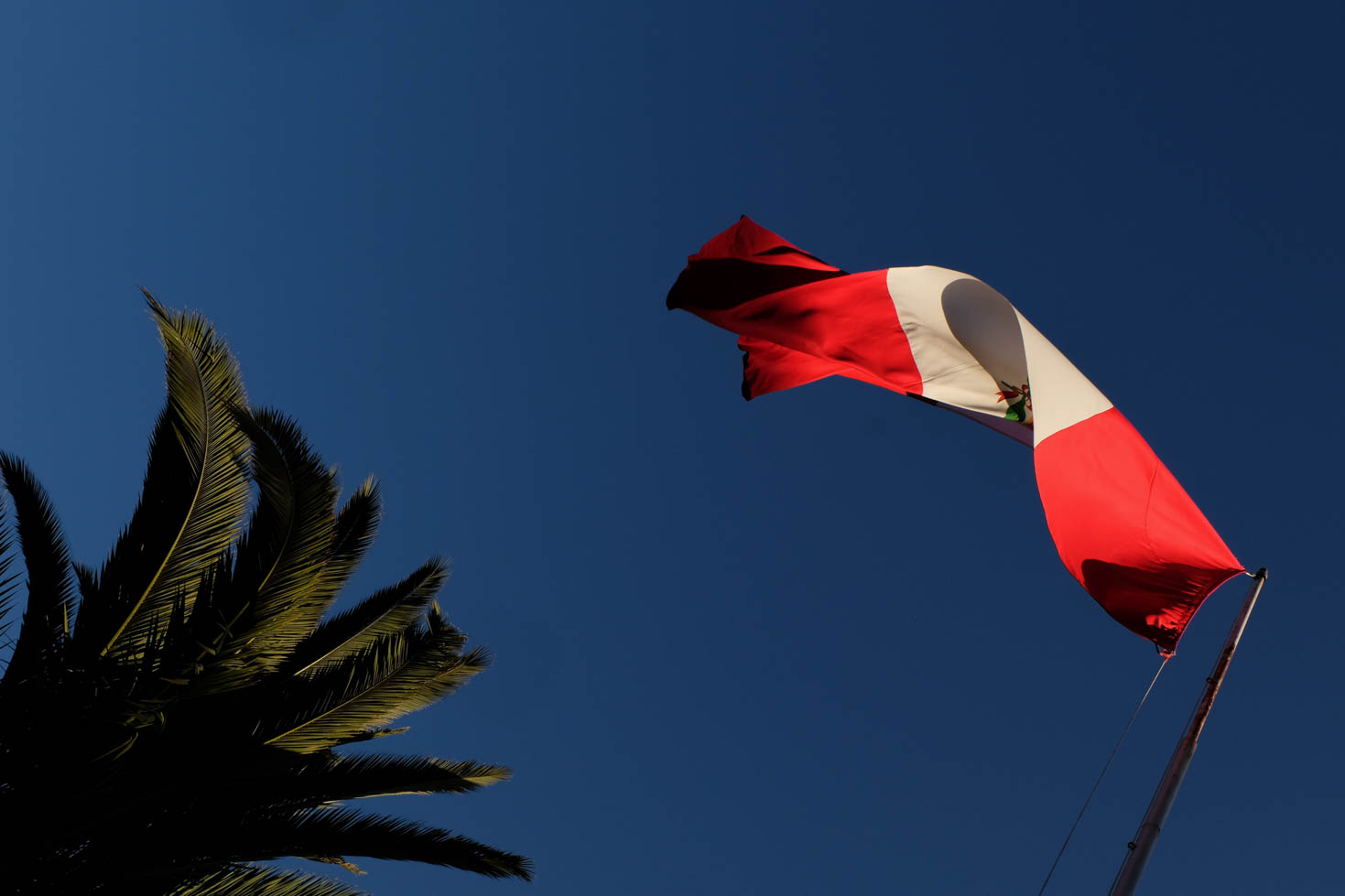
In Nazca, we pass the time at a gringo café with good internet before continuing to our new home in Arequipa. We are already in high spirits, and they rise further when we read an email that has just arrived. The wife of Latvia’s Honorary Consul General in Peru has heard about our plans to travel around South America, and we have been invited to meet at the consulate in Lima. We feel greatly honoured, but our route has already carried us into southern Peru and, for the time being at least, a visit will not be possible.
We wake in the stuffy bus just before sunrise. Latin American hits from the 1980s begin to play, and the white caps of the Andes appear through the window. Time to get up! We have spent ten hours on the bus from Nazca. A shower and a bed sound desperately appealing.
We reach Arequipa an hour ahead of schedule. Our little kamikaze of a driver travelled faster than any other four-wheeled road user. I would not have attempted those overtaking manoeuvres even in a powerful car. But this is Peru; Western traffic rules do not apply here. :)
We jump into a taxi and, for ten soles (€2.70), reach Yanahuara Park near our new home. We decide to have a morning coffee in a café and draw out the time until nine, when we have arranged to meet Norma, the owner of the flat.
Our very first impression is that the city looks magnificent. Arequipa is called the White City—La Ciudad Blanca—for good reason: the volcanic stone known as sillar is widely used in its buildings. Most impressive of all are Arequipa’s great guardians on the skyline: the volcanoes Chachani, Misti, and Pichu Pichu.
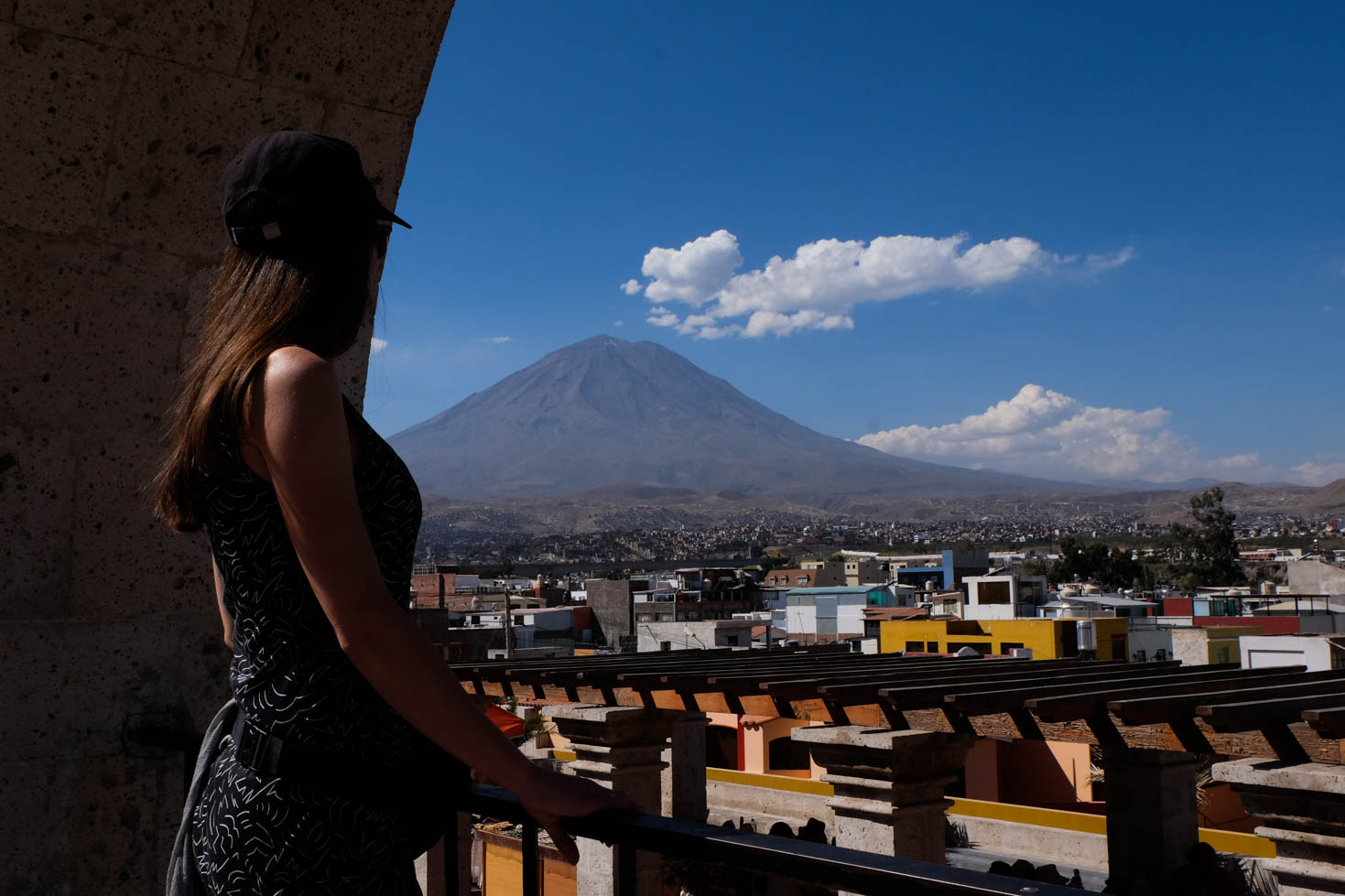
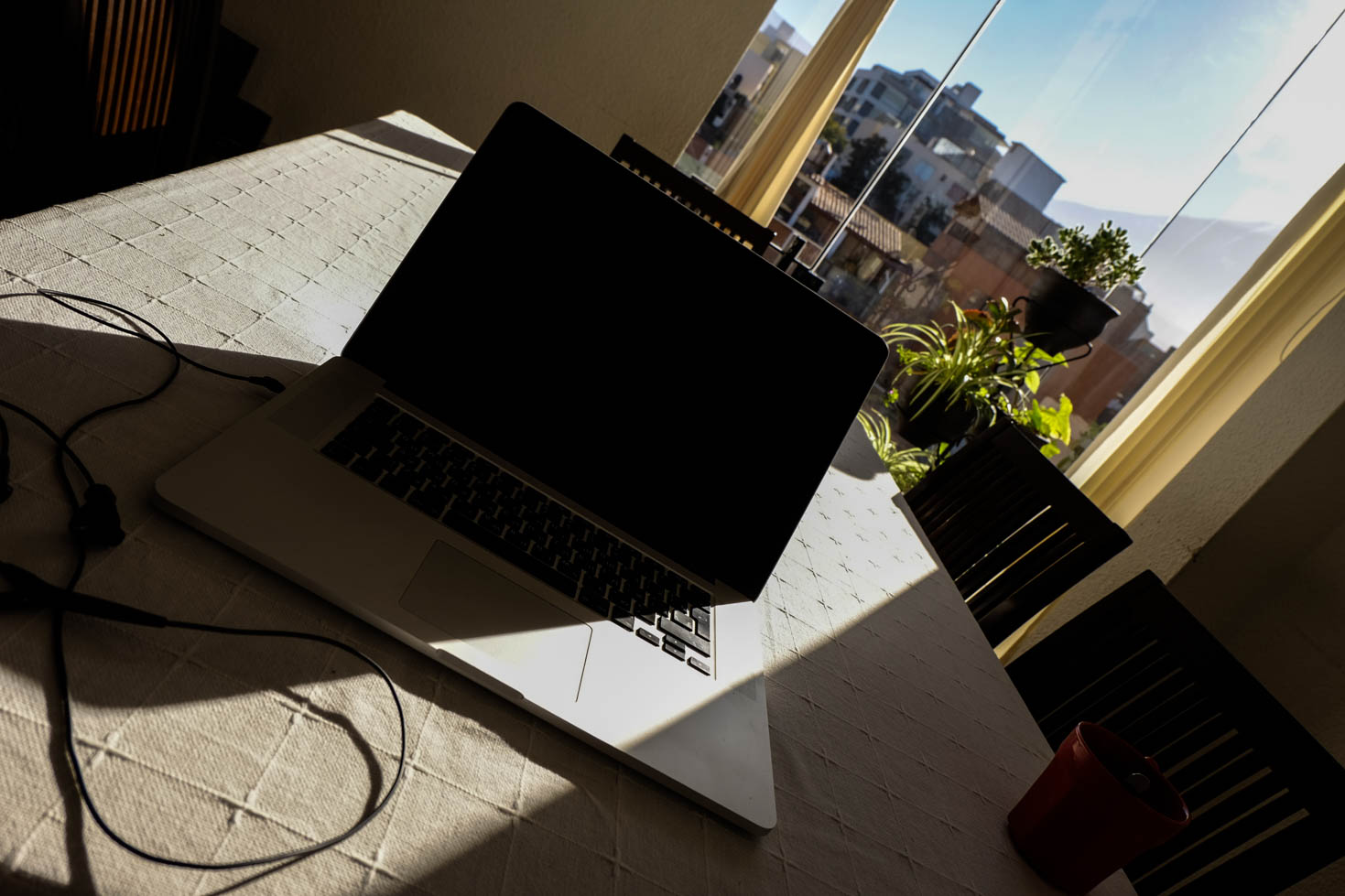
At precisely nine, we arrive at the address. A man we later learn is Raúl meets us at the gate. He is the building’s caretaker—a very nice fellow, although we never entirely understand what his duties involve. Diego, Norma’s partner, opens the door to the flat. He speaks perfect English, to our great relief. The flat is beautiful, and my future workspace overlooks El Misti. Tomorrow, work begins.
That evening, we head into the centre to explore and find somewhere to eat. Naturally, we stop at a local chifa. Dinner for two costs about €5, after which we make our way to the Plaza de Armas, the city’s main square. It is very beautiful, but I am more interested in taking my camera through the little streets where there are no tourists.
Rafting on the Chili River
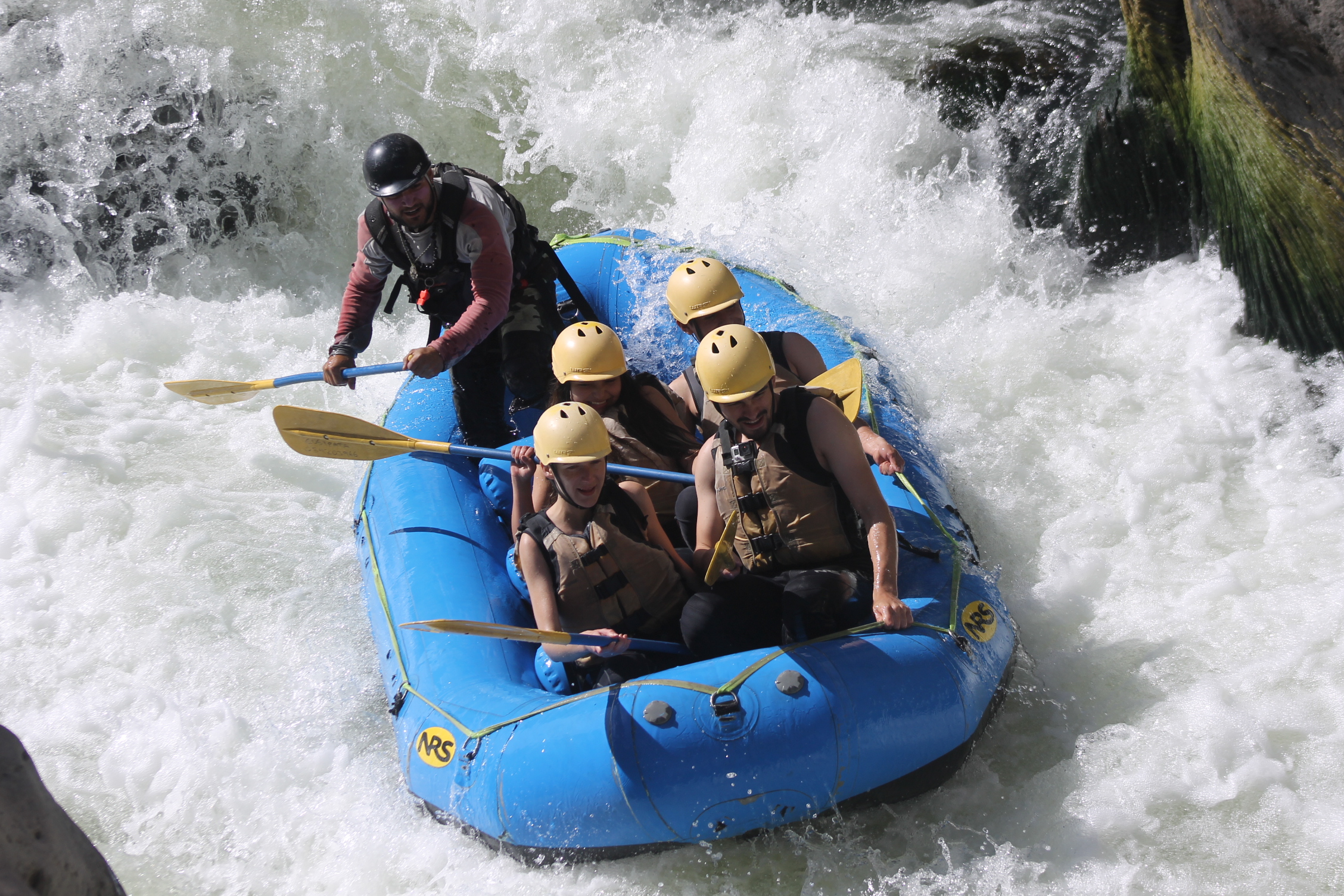
On our first weekend, we go rafting on the Chili River. Everything works in the usual Peruvian fashion: we pay the day before, receive a dubious-looking receipt, and hope that somebody really will collect us and take us to the river the next day.
We are ready at 11:15 in the morning, as agreed. Of course, Peruvian time applies and the bus eventually trundles up at 11:45. Our fellow passengers are a Spanish-speaking couple, two men from Slovakia, and, judging by their accents, two Australians.
The Chili River valley is breathtakingly beautiful. As we paddle through the rapids, the snowy peaks of Chachani recede behind us. Throughout the run, our guide sits at the back shouting “¡Adelante!” while we paddle with all our strength. The water is icy, though we do not get too badly soaked. There is always a chance of falling into the rushing river, and the guide apologises in advance in case it happens. Before one of the most dangerous descents, a rescue kayaker is sent ahead and promptly capsizes before our eyes. Our raft, however, makes it through safely. A short while later, we pull ashore and the hour-plus trip is over. Undīne and I agree that rafting currently holds first place among everything we have done in our two weeks in Peru.
Back to the work routine
Our third week in Peru begins with a routine because I have to return to work. I get up at about 5:45 each morning so that I can spend four hours in direct contact with my colleagues in Latvia. I sip the best coffee I have ever tasted (all right, two cups in a row), then begin answering emails and talking over Skype. On the whole, I enjoy this rhythm. All communication with colleagues takes place in the morning, leaving the final four hours for work that requires complete concentration and no conversation. My working day ends at two in the afternoon, local time.
Internet problems are common here, but for such occasions I have found a local internet café (yes, there are still plenty of them here), where I can spend an entire working day for less than two euros. The price even includes a Coke. People say Miguel has the fastest internet in town, and I can confirm it: his establishment offers ten megabits per second! That may sound ridiculous, but after the four megabits available at the flat, it feels lightning-fast.
First impressions of living in Arequipa
The fruit is extraordinarily delicious and so exotic that most of the time we have no idea what we are eating. It is already difficult to imagine life without a daily glass of fresh fruit juice.
According to the locals, Arequipa’s climate is an eternal spring; Latvians would call it an eternal summer. Daytime temperatures are around twenty-three degrees, becoming cooler at night. In the evenings, residents put on warm coats and boots, while a jumper is quite enough for us.
The volcanoes never cease to fascinate me. Whenever I walk down the street or look through a window, I can see peaks rising more than five kilometres into the sky.
The only thing I dislike so far is the traffic and exhaust fumes. As I understand it, emissions standards are less strict than in Europe, so black clouds can often be seen billowing from the backs of cars. This is mainly a problem in the centre, where traffic is considerably heavier.
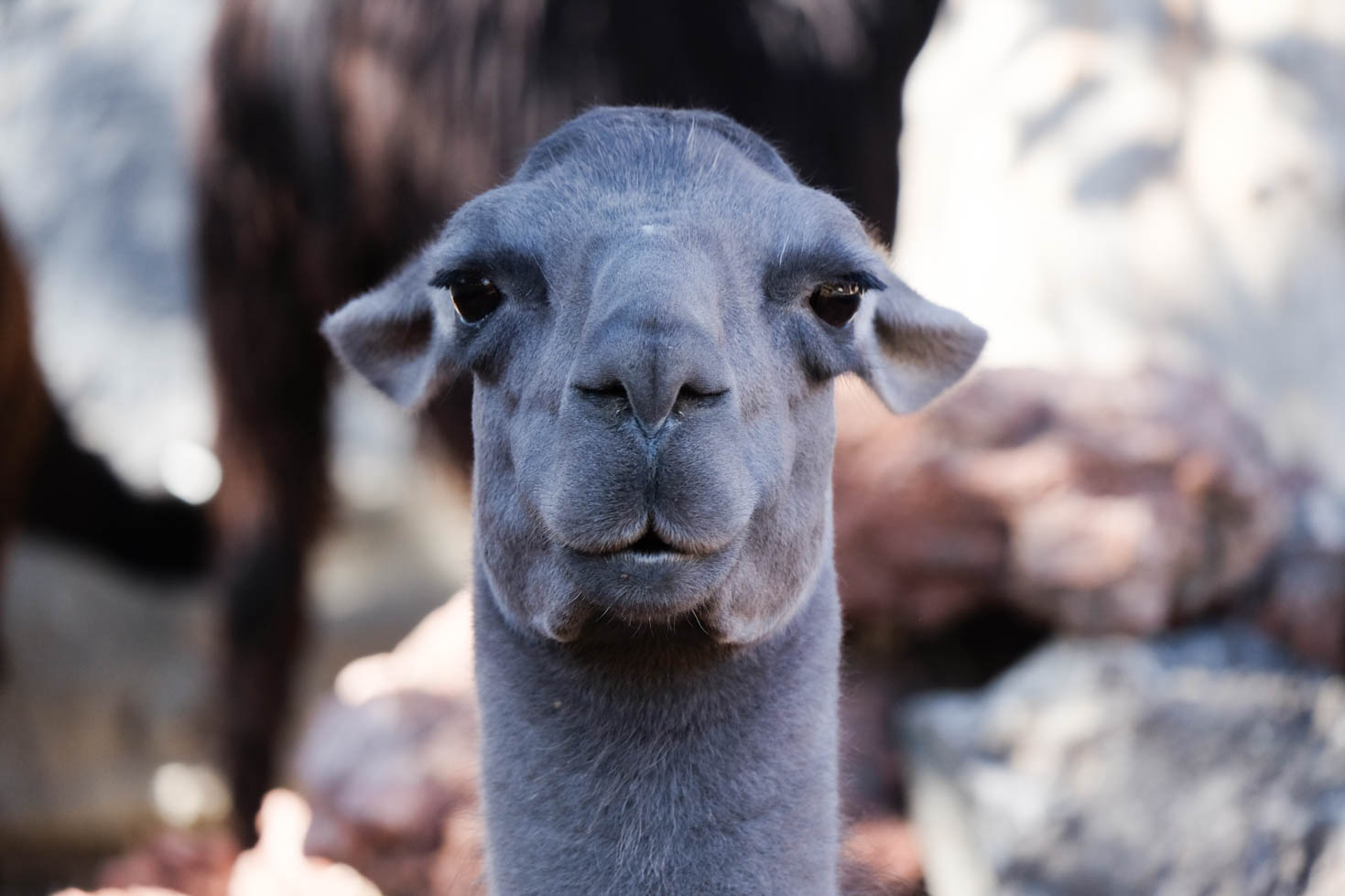
All in all, Undīne and I feel at home. We are slowly learning Spanish and trying to settle into local society. Honestly, it does not feel wildly exotic. As Undīne put it, “It feels as ordinary as living in Kuldīga.” The difference is that here, llamas and alpacas graze in the park.
Until the next post!